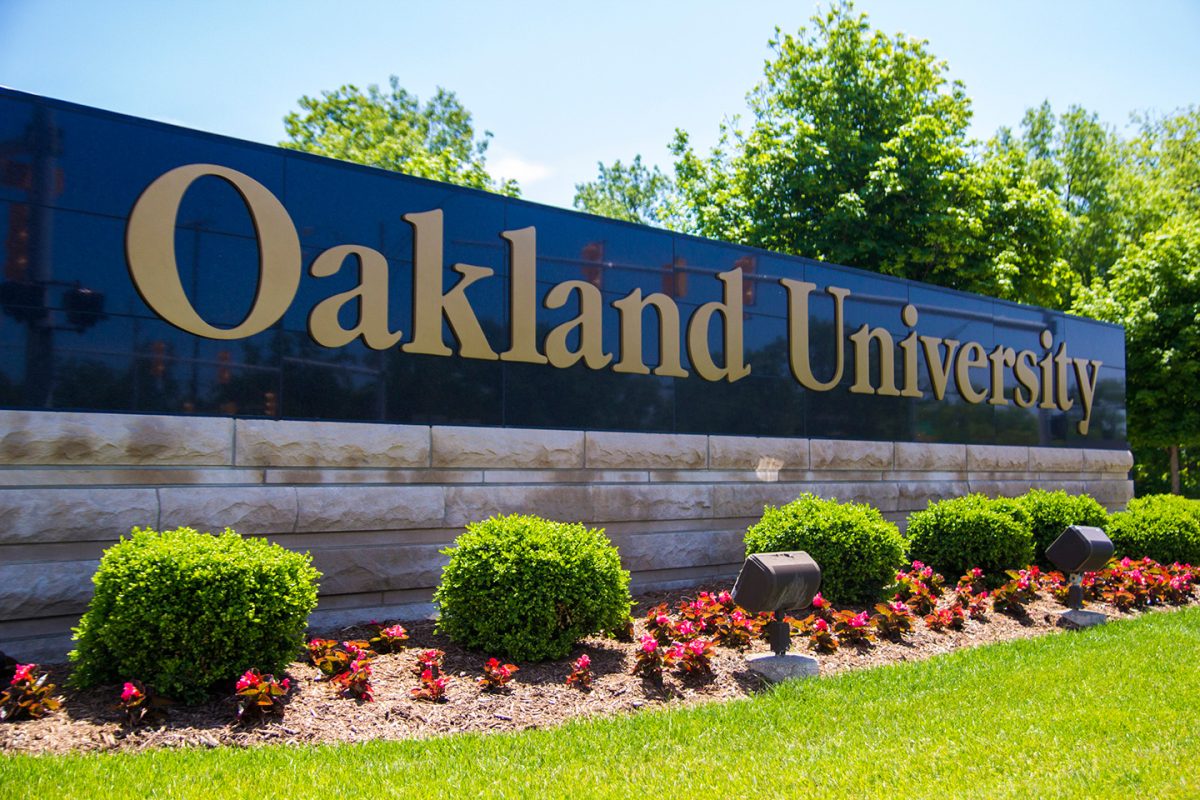
Oakland University’s campus has resumed operations as normal after the campus was shut down due to a leak from the high temperature hot water (HTHW) system.
The university originally planned to shut down between Nov. 21 and Nov. 30 due to emergency repairs. However, after a second and third pipe failure, the closure extended throughout the new year.
As of now, Oakland is reopened fully and operating as business as usual with classes having begun on Jan. 6, in accordance with the university’s registrar.
“All campus operations are back to normal and the university will fully reopen as scheduled,” the university said in a campus communications statement on Dec. 30.
Along with classes resuming, the Recreation Center and OU Libraries are functioning as normal.
Additionally, OU has taken steps to support residential housing in the event of another pipe leak by setting up a secondary heating system for backup support.
“University leaders understand that there were real concerns about heat and building operations as the semester came to a close,” the university said. “To address this, all residential housing buildings are now supported by redundant heating systems. This means that if the Central Heating Plant (CHP) were unavailable for any reason, heat would remain uninterrupted and student living conditions would not be impacted.”
In addition to residential housing buildings, Pawley Hall has a “redundant heating solution in place” and no longer solely depends on the central heating plant for heating. The university is taking other steps for backup heating for other buildings on campus.
On a campus communication statement on Dec. 18, the university explained the next steps moving forward to support buildings in case of a future HTHW pipe system failure.
“To prevent similar heat loss impacts with any future HTHW pipe system failure, a decision has been made to purchase heating units and boilers for buildings at the greatest risk of heat loss,” OU said.
The first priority of buildings supplied with redundancy systems included housing buildings: Hamlin Hall, Vandenberg Hall Hill House and Van Wagoner House and Pawley Hall. The second priority of buildings to receive support are Dodge Hall, Hannah Hall and the Math and Science Center. The third priority of buildings were not specifically listed but noted as “other buildings affected by heat loss.”
“Even if minor issues are discovered, however, the university is in a position to use the HTHW heating system, as well as redundant and temporary heating equipment at building sites, to maintain comfortable interior temperatures in buildings previously impacted by heat loss. This temporary business continuity plan is also serving as a foundation for future university operations planning,” the university said.
On campus, there are still some temporary heating equipment, such as propane tanks, which can be seen outside building entrances.
“Over the first few months of 2026, heating redundancy equipment will be installed permanently in buildings impacted by the HTHW system failure. As work is completed, temporary heating equipment will be removed from building entrances and walkway,” OU said.
As of now, there are no additional updates from the university. Heating system updates are slowly wrapping up, and there is no word that another leak has occurred.
“The university regrets the inconvenience this caused as the fall semester was coming to an end and extends gratitude to students, faculty and staff for their patience, flexibility and resilience,” OU communications said.