One of the most powerful acts of rebellion these days is to read a good book, to educate oneself on a life outside of their own and away from the woes of technology. The following books are vastly different from one another, each one a new story, style and perspective
“The House on Mango Street” by Sandra Cisneros
This read is a coming-of-age novel about a young girl maturing on the south side of Chicago. Esperanza — a character replicating Cisneros — is a Mexican girl from a poor family determined to escape the harsh realities that she was born into. How she plans to do this: by pursuing her talent for writing.
As she grows up, she watches neighbors and friends marry young, endure domestic violence and give up on their dreams; Esperanza refuses to fall victim to that trap. Thank you to communications professor Kellie Hay who brought forth this fantastic read which explores themes of self-identity, classism, racism and more.
Those looking for a brief, comprehensible read with abundant purpose will appreciate this text. A new chapter presents itself every few pages, detailing a new circumstance. Some will relate to these circumstances, but even those who do not, it is a must read — it really puts life into perspective.
“Because You’ll Never Meet Me” by Leah Thomas
Set in both the woods of northern Michigan and the city streets of Germany, “Because You’ll Never Meet Me” follows two young hermit boys through an impossible friendship. Ollie has epilepsy triggered by electricity and Moritz lives off of a pacemaker, an electric heart. If the two were to meet in person, one would surely die.
The pen pals harbor very different views on life; Ollie is curious and excited about the world beyond the powerline at the base of his driveway while Moritz is rather cynical and prefers to keep to himself. Throughout their friendship, both boys learn powerful lessons that ultimately crack their hermit-crab shells and expand their worldviews.
“The Circle” by Dave Eggers
Another banned book, another phenomenal read. A dystopian thriller by Dave Eggers, Mae Holland’s best friend Annie gets her a job to work at a futuristic tech company — The Circle. The Circle has everything: sprawling glass architecture, expansive green spaces, rose gardens and even a place to rest for the night. It is a mammoth campus housing innovation, and it appears to be the ideal place to work — until it’s not.
As Mae settles in, her co-workers get upset when she goes home to visit her family,
Annie grows frustrated when she doesn’t answer her text messages and she finds that she is recorded everywhere she goes. The company tracks everything from her whereabouts to her resting heart rate. What seemed like a life-changing opportunity slowly transitions into her biggest nightmare.
Published in 2013, numerous readers infer that Eggers wrote the work to critique tech companies like Apple and Google, assuming that many of the dismal details the technology could perform would be in the very distant future. Scarily enough, several of those subtleties are already here, and infiltrating our daily lives.
Thank you to Professor Jennifer Gower-Toms for featuring this book in her Modern/Contemporary Literature course.
“Howl’s Moving Castle” by Diana Wynne Jones
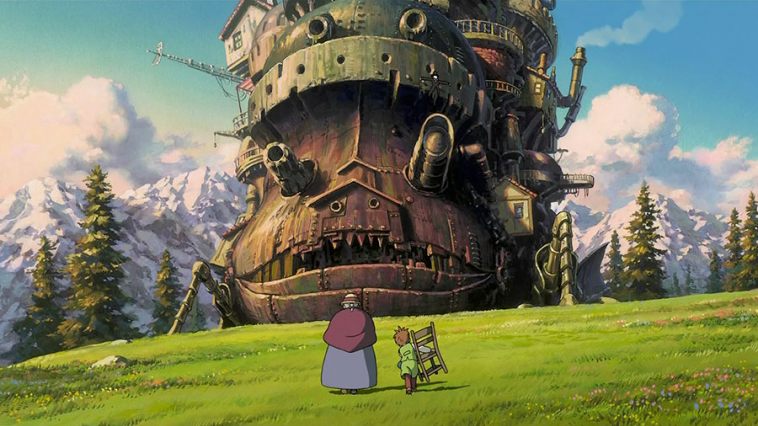
The beloved Studio Ghibli film would be nothing without its source material. The idea for the book was given to Jones by a little boy at a school she was visiting who asked for a book titled “The Moving Castle.” Jones took the idea and ran with it, breathing life to “Howl’s Moving Castle.”
The book is a whimsical tale about the eldest of three daughters, Sophie Hatter, who accidentally incurs the wrath of the evil Witch of the Waste. Sophie then finds herself stuck in the body of an old woman on a harrowing adventure alongside the fearsome Wizard Howl, his apprentice Michael and the fan-favorite fire demon, Calcifer.
“Howls Moving Castle” is a delightful and easy read, perfect for anyone who wants a touch of nostalgia and magic to spice up their routine.