It is not necessarily just tuition or rent quietly draining students’ bank accounts. It is the subscriptions they forgot they were paying for.
As digital conveniences become increasingly popular, subscription models have become a default way for companies to deliver content and tools to the people. From streaming services to cloud storage and delivery memberships, these recurring charges are stacking up faster than many students realize. Individually, the costs feel small, but together they can become overwhelming.
According to C+R Research, consumers estimate they spend about $86 per month on subscriptions, while their actual spending averages $219. Passive spending can be harder to track than one-time purchases, and the significant gap highlights just how easily recurring payments can go unnoticed. Many people simply do not track how many services they are paying for each month.
The same report found that 42% of consumers forgot they were still paying for at least one subscription they no longer use. Forgetfulness turns into wasted money, often every single month.
For college students, the issue is amplified by routine. Subscriptions are tied to daily habits like music, entertainment, schoolwork and food delivery. Considered individually, each charge feels manageable. The total rarely does.
Automated billing often removes the need for users to actively think about ongoing costs. Research from the Federal Trade Commission shows that subscription-based business models rely heavily on these automatic renewals, which can make charges even easier to overlook and difficult to cancel.
For many students, canceling is not always straightforward. Some platforms require multiple steps, hidden settings or strict timing windows that can discourage users from unsubscribing. Others continue charging until the end of a billing cycle, even after cancellation is requested. The resulting friction can lead to continued spending on services that are no longer needed.
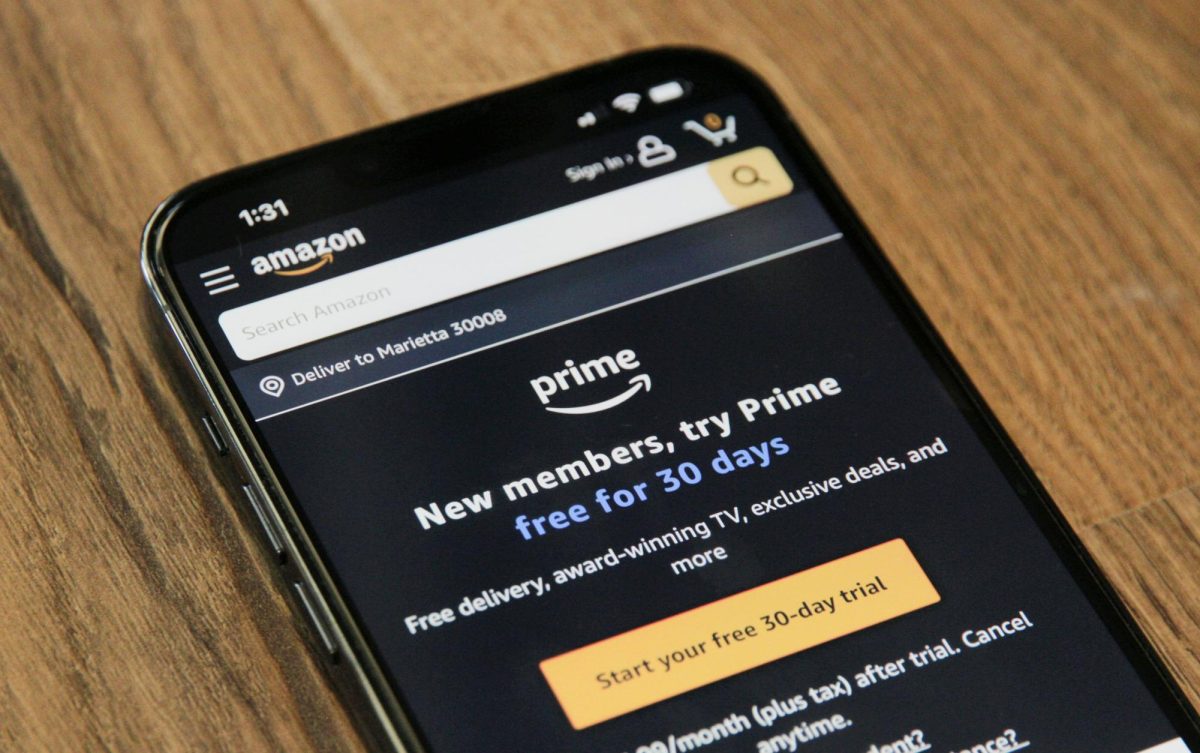
At the same time, new subscriptions are constantly being introduced. Free trials, student discounts and bundle offers make it easy to sign up, but those offers often convert into full-priced plans automatically. Introductory deals are designed to attract users but can often lead to long-term commitments.
The financial impact is often subtle at first. Because individual charges are small, they may not feel urgent or significant in the moment, but over time, they accumulate. Students pressed with classwork, job schedules and other responsibilities often allow these charges to fall by the wayside.
For students already managing rising living costs, those recurring expenses can also compete with essential needs. Food, transportation and school supplies all become part of the same financial equation. Rising costs in other areas make even small recurring charges even more impactful over time.
This reality is forcing many students to take a closer look at their spending habits. Subscriptions, once considered minor, are becoming a more noticeable part of monthly budgets, with many applications and services having been developed for addressing this need, often at an additional cost.
But subscription creep stress can still be managed with proper documentation and foresight. Tracking expenses, reviewing bank statements and canceling unused services can help reduce unnecessary spending. Regular financial check-ins can also improve awareness and reduce overlooked expenses.
But these steps require consistency. Without that awareness, subscription creep continues in the background of many students’ lives unnoticed or unaddressed.