College routines often center around classes, assignments and familiar spaces. Stepping outside those routines can create opportunities for growth, independence and new experiences.
On Wednesday, March 26, a family board game event at the Livonia Public Library offered an example of how small decisions to try something new can lead to unexpected forms of connection.
The event created a relaxed environment where participants engaged in interactive gameplay and highlighted the importance of exploring activities beyond academic settings.
Board games encouraged communication, strategy, and collaboration in ways that differ from traditional classroom environments.
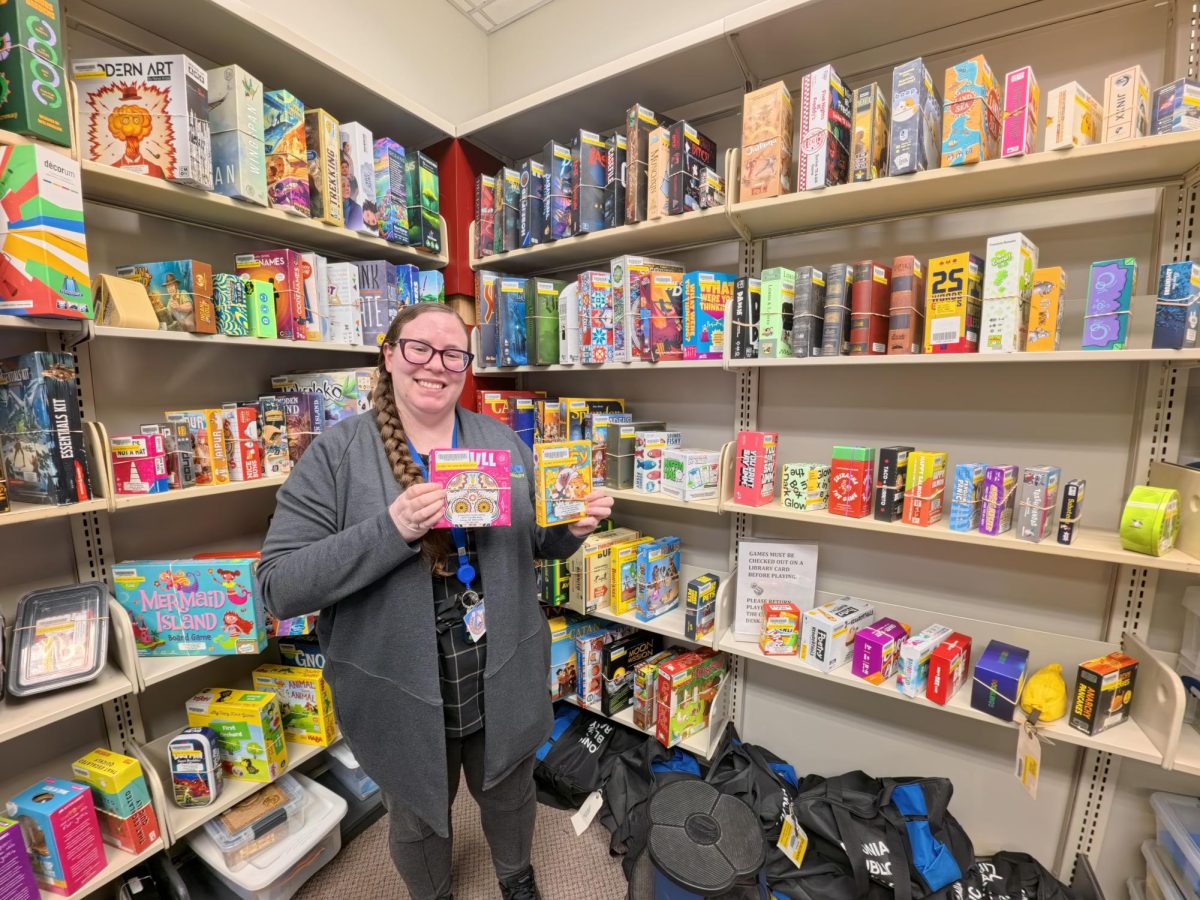
The event was designed to showcase the library’s board game collection while promoting accessibility. According to materials provided at the event, the library offers a range of games, puzzles and other items available for checkout through its “Library of Things” collection.
The collection includes more than 250 board games, along with video games, puzzles and console kits available for public use. These resources provide accessible options for entertainment and engagement within the community.
The board game event reflects a broader effort by the library to provide community-based programming, including book clubs, concerts and workshops. These offerings create opportunities for individuals to explore new interests while connecting with others.
Games at the event ranged from simple party games to more strategy-based options, allowing participants with different levels of experience to engage comfortably while exploring new types of gameplay. The programming focused on accessibility and community engagement.
Librarian Noelle Lomas said the goal was to create programming that highlighted the collection while remaining approachable.
“We wanted to create programming around our board game collection that highlighted and made use of the fantastic resource,” Lomas said.
Themed game selections introduced participants to different styles of play. These rotating themes helped maintain interest while encouraging participants to try unfamiliar games.
“We market the program as appropriate for ages 8+, so I focus on selecting family and party games with that age rating,” Lomas said. “I try to select games based on a theme to highlight different areas of our collection.”
Attendance varied throughout the program, reflecting common challenges for community events. Participation often extended beyond a single session as attendees explored other library offerings.
“While attendance has been lower than I would have liked, attendees have gone on to participate in other library programs,” Lomas said.
Future programming will depend on continued community interest and engagement. Adjustments to event formats are often made to reflect participation trends.
“It really does depend on community interest,” Lomas said. “Future library board game events will probably follow formats that have shown stronger attendance.”
Experiences such as the board game event highlight the value of stepping outside familiar routines. Trying something new can encourage independence, confidence and new forms of connection.
For students who commute from surrounding communities, including Livonia, local spaces can offer accessible opportunities for engagement outside of campus.
Public libraries and community programs provide options for social interaction.
For college students, growth often occurs outside structured academic settings. Exploring new activities can contribute to independence and a more balanced college experience.