With the most recent news headlines covering the U.S.’s executive decision to attack Iran, little attention has been given to the state of Lebanon.
The most recent attack on Iran has been foreseen ever since President Donald Trump warned the former Iranian leader Ayatollah Ali Khamenei about the protests that had overtaken the state of Iran in the first months of the year.
President Trump had reportedly posted that he would come in “guns blazing” if the situation and massacre of the Iranian people didn’t end.
On Feb. 28, the Department of War launched a full attack with the aid of Israel. The joint airstrike confirmed the death of the former authoritarian leader, Khamenei, who had ruled over the country for 36 years.
The airstrikes were sparked not only by the mistreatment of Iranians, but also as a warning not to press on with the nuclear and ballistic missile program that the country had apparently been working on.
The attack was later celebrated by President Donald Trump.
“This is not only Justice for the people of Iran, but for all Great Americans, and those people from many Countries throughout the World, that have been killed or mutilated by Khamenei and his gang of bloodthirsty THUGS,” Trump said.
Due to the increased focus on the incredibly surprising turn of events, little attention has been brought to Israel and its role in the airstrikes.
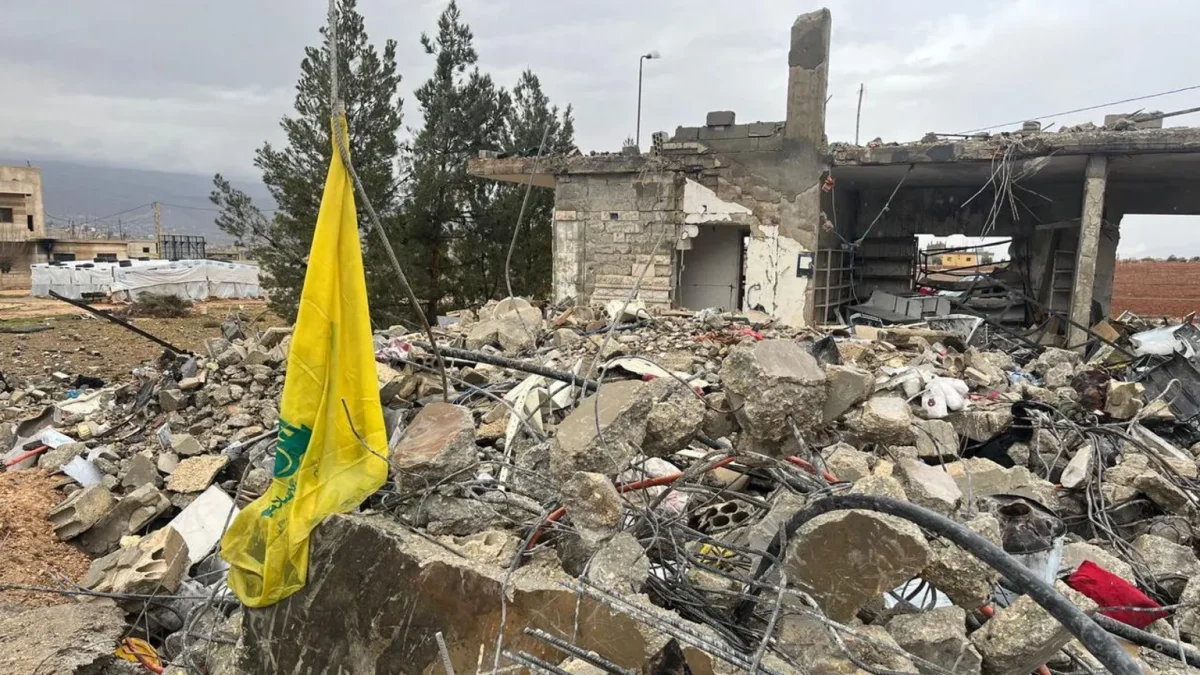
The Israeli government has taken advantage of the focus on Iran and its apparent newfound nuclear threat and has begun bombarding the country of Lebanon.
Lebanon was first attacked in the first days of March, as a proper response to the missiles that the Lebanese political paramilitary organization, Hezbollah, decided to strike Israel by sending multiple rockets and drones as a retaliation for Khamenei’s death on March 9.
Some reports state that Israel had been trying to avoid a new conflict with Lebanon as it was focusing on Iran and still reeling from the ongoing conflict in Gaza.
“Before this attack, we were ready for a ceasefire in Lebanon but after it there is no way back from a massive operation,” an Israeli senior officer said
The current situation in Lebanon remains drastic. Hundreds of thousands have been relocated from the attacks, and the southern and eastern regions of the country have been hit the most, along with its capital city of Beirut.
The Lebanese casualties have nearly reached 700, in only the first two weeks of what is becoming an extended conflict in the Middle East. UN Secretary General Antonio Guterres responded to the ongoing violence and condemned Israel’s choice to launch airstrikes in the country.
“I have just landed in Beirut for a visit of solidarity with the people of Lebanon. They did not choose this war. They were dragged into it. The UN and I will spare no effort in striving for the peaceful future that Lebanon and this region so richly deserve,” Guterres said in a statement on X.
The conflict keeps growing, and neither Israel nor the U.S. is showing signs of slowing down. One must hope that it is maintained to the few borders it has already involved, and that no additional external allies are dragged into it as well.