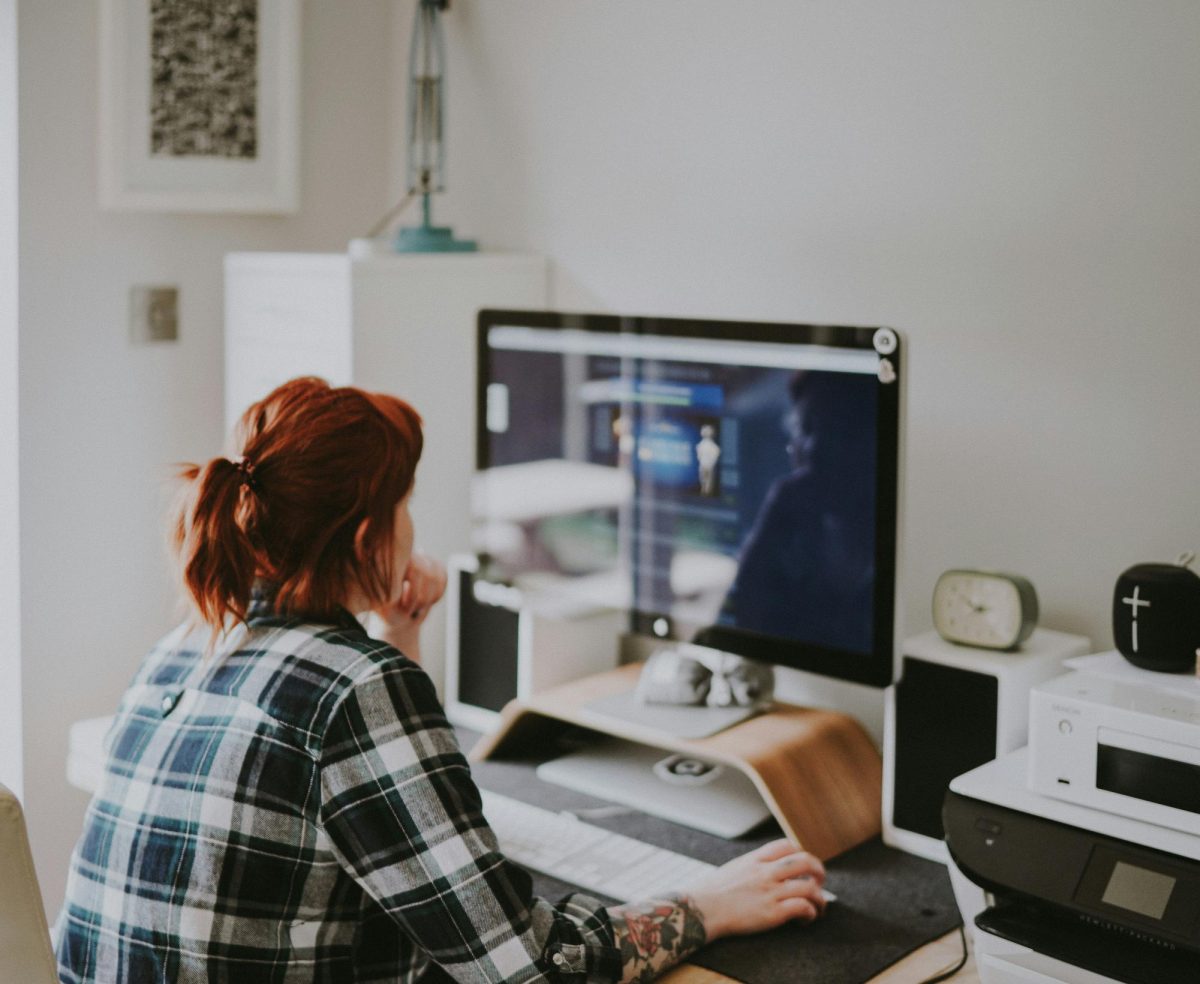
Since the COVID-19 pandemic, workplaces have allowed, and even encouraged, an unprecedented surge in remote work opportunities. During the early months of the pandemic, many companies shifted to remote work almost overnight as offices closed and public health measures limited in-person gatherings. Although some businesses have returned to in-person or hybrid work, many people still complete their day-to-day tasks from a desk in their living room.
Instead of waking up a few hours before your shift begins to get ready and prepare for morning traffic, you may now find yourself rolling out of bed, throwing on a presentable shirt and taking a seat at your home desk. Video conferencing platforms and workplace messaging apps have helped make this transition possible by allowing employees to communicate and collaborate without sharing the same physical space. To many people, this convenient, modern option sounds much nicer, but both approaches come with significant advantages and disadvantages.
In a 2026 article by Forbes staff writer Katherine Haan, Haan indicates that about one-fifth of the workforce is working remotely. It was estimated that 32.6 million Americans would work remotely in 2025, with 98% of workers wanting to work from home, whether part time or more frequently.
This pronounced desire is not unreasonable. A 2024 article by Justin Boudinet for customer experience platform Nextiva lists several positives associated with remote work, including a flexible schedule, a customizable workspace, fewer work-related expenses, increased productivity and a better work-life balance.
When you work from home, you may not need to be at your desk ready to start at the same time each day. Instead, your schedule may depend more on meetings you have scheduled or other responsibilities in your life. Whether you are working from your couch, kitchen table, desk or another location, the choice is largely up to you.
Some people find they get more done when they work from home because they experience fewer workplace distractions and can maintain a clearer separation between their professional and personal lives. For workers with long commutes, remote work can also save significant time each day that would otherwise be spent traveling to and from the office.
However, these positives can also come with drawbacks, such as a lack of social interaction, distractions from responsibilities at home, communication challenges, the cost of certain technology and difficulty distinguishing between work and personal life.
Because remote communication often takes place primarily through scheduled meetings, working remotely can limit interactions with colleagues. This can cause some workers to feel disconnected or disengaged from their co-workers. Employees may also face distractions from household tasks or other responsibilities, which can make it difficult to keep personal life separate from work responsibilities.
According to Boudinet, this can lead to “working longer hours, difficulty in switching off after work and a feeling of being constantly connected to work responsibilities.”
Some companies have attempted to address these concerns by organizing virtual team events or encouraging employees to maintain structured work hours. What works well for one person may not work for another. An extrovert may perform better in an in-person workplace, while an introvert may thrive in a remote environment.
As the number of people working remotely continues to grow, it is crucial to understand what arrangement works best for you — whether that means fully remote work, fully in-person work or a hybrid approach that allows you to work from home a few days a week and in person for the rest.