Law enforcement careers often remain misunderstood by the public despite constant media coverage of crime and policing.
Conversations with professionals working in the field can provide insight into the responsibilities, challenges and experiences behind the badge.
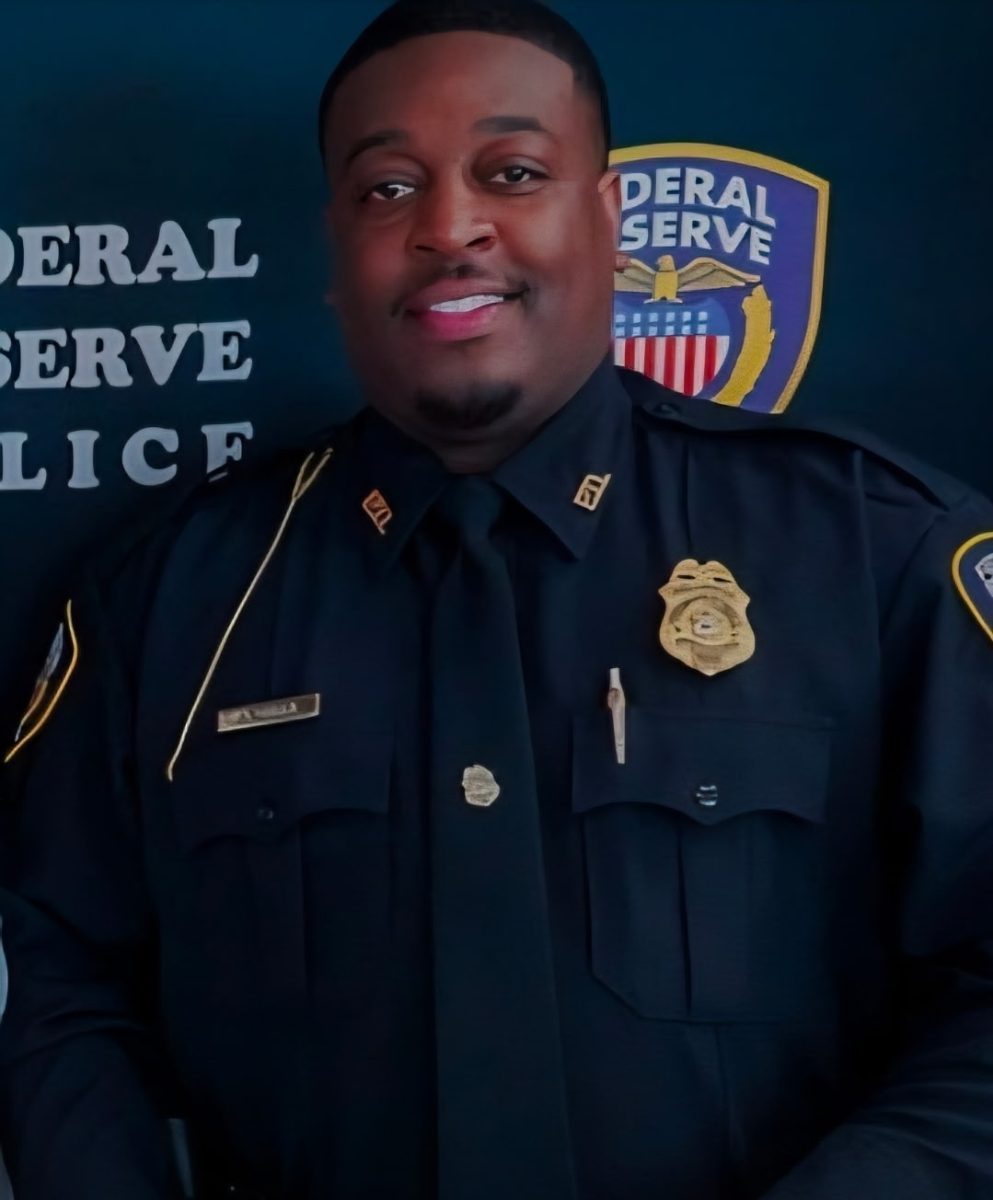
Deputy Adrian Wells, a Detroit native and Army veteran, has spent more than a decade working in law enforcement through both military and civilian roles. His experience includes work with the Wayne County Sheriff’s Department and service as a federal officer.
Wells began his career in the United States Army before transitioning into civilian law enforcement. He served in the military for 15 years before returning to Michigan to continue working in public safety.
“I started my career in the Army as a food service specialist. My heart wasn’t there for the food service industry, so I went the Military Police route since I was already part of a military police battalion,” Wells said.
After leaving active duty in 2020, Wells joined the Wayne County Sheriff’s Department. His work included assignments in specialized units, including the electronic monitoring unit known as “tether.”
A typical day in law enforcement begins with preparation and communication between officers. At the start of each shift, officers attend roll calls where supervisors share updates about recent incidents, safety alerts and potential threats.
“This information can be anywhere from BOLOs, shootings, robberies, vehicle thefts or large events taking place in the area.”
Officers also inspect their equipment, vehicles and protective gear before starting assignments to ensure they are prepared for unexpected situations.
Crime patterns vary across Metro Detroit communities. Wells said large cities such as Detroit face challenges related to gang activity and youth involvement in crime.
“There is crime everywhere.”
Wells said individuals between the ages of 12 and 18 are among those most vulnerable to becoming involved in criminal activity. Community awareness and prevention programs remain important in addressing youth crime.
Law enforcement careers include both rewarding and difficult experiences. Wells said encounters with individuals who later express gratitude can be among the most meaningful moments in the profession.
“One thing that sticks with me is when someone you put behind bars sees you down the road and thanks you for being a good officer.”
The profession can also bring moments of loss. Wells described the death of fellow officer Mohamed Said, who was killed in the line of duty in Melvindale in July 2024, as one of the most difficult experiences during his career.
Wells said misconceptions about deputies remain common among the public. Many people assume deputies only work in correctional facilities, though the role includes a variety of assignments.
“As a sworn deputy you have the option to work the jail, courts, road patrol, hospital details and specialized units such as SRT, tether or narcotics.”
Media coverage also influences how communities understand crime and policing. Wells said journalism plays an important role in informing the public, though accuracy remains essential when reporting complex issues.
“The media keeps a lot of people informed about things, but sometimes their wording or facts can be incorrect.”
Wells encouraged community members, including college students, to remain aware of their surroundings and report crimes when they witness them.
He said building trust between law enforcement and communities is an ongoing effort that requires communication, transparency and cooperation.
Public understanding of how officers work can help reduce misconceptions and strengthen relationships.
“Don’t be scared to speak up about a crime that is witnessed.”