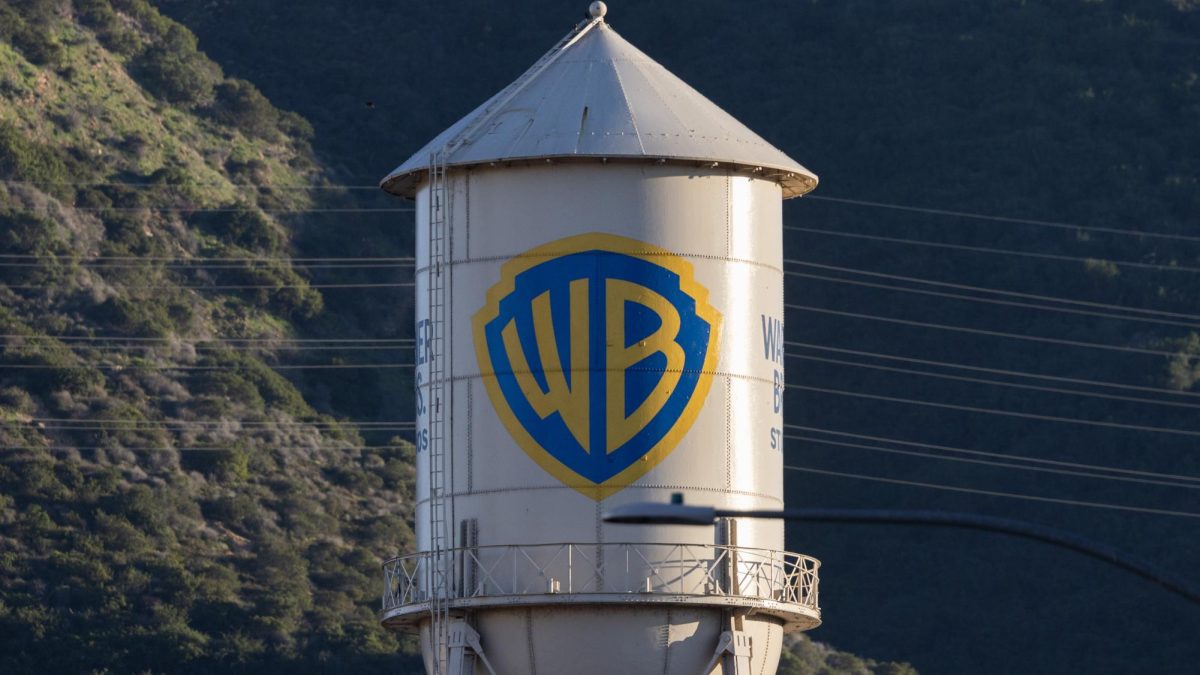
The latest move in the streaming wars is the media and entertainment conglomerate Warner Bros. Discovery going up for sale. A bidding war resulted in November of last year, with Netflix, Comcast and Paramount Skydance all submitting bids.
Warner originally accepted Netflix’s deal; however, in a hostile takeover, Paramount came back with an all-cash deal and a revised proposal of $110.9 billion. Warner Bros. accepted the revised deal, giving Netflix four days to match the offer or drop out. Netflix declined to match Paramount’s offer and withdrew, with Netflix’s co-CEOs stating that Warner Bros. would have been nice to have at the right price, but not at any price.
The sale, in some ways, is surprising. Warner Bros. movies “One Battle After Another ” and “Sinners” as well as their TV show “White Lotus”, have been racking up award show nominations nonstop this year. Furthermore, Warner Bros. was planning on cutting its cable channels off into a separate company, which would only further improve its financial state.
But Warner Bros. has a decades-long history of disastrous mergers that left the company $53 million in debt as of 2022. CEO David Zaslav also stands to gain $500 million from the sale, as under his contract, his 21 million shares would vest immediately after the sale.
With the deal with Paramount confirmed, top executives at Warner Bros. are now allowed to sell their stock. Many took advantage of this opening, with Warner CEO David Zaslav selling over 4 million shares with an estimated value of $114 million.
Other execs were quick to jump on board as well, with CFO Gunner Weidenfels, streaming chief JB Perrette, chief revenue and strategy officer Bruce Campbell and international chief Gerhard Zeiler all selling shares worth millions.
The sale of Warner Bros. to either Netflix or Paramount Skydance results in a disruption of the entertainment industry. In the past, production and distribution of entertainment were separated between the studios and the movie theatres, which helped to avoid monopolization. But now, streaming services both produce and distribute content, leaving the purchaser of Warner Bros. with exclusive access and distribution rights for their movie library.
Netflix is the number one streaming service, and the purchase of Warner Bros. would have only solidified that placement more immovably. While Paramount+ is only the number five streaming service and does not cause as much drastic consolidation as a Netflix purchase, the result down the road is still the same. The Paramount sale also leads to drastic layoffs and labor cuts.
While the deal is not closed and could take as long as 18 months to completely finalize, it’s highly likely the sale will proceed. The absorption of the century-old Warner Bros. into Paramount and their takeover of HBO and CNN highlights the decline of theatrical distribution and the increasing consolidation of streaming services.
Regardless of how Paramount decides to rearrange its streaming services to include HBO, the media industry is sitting on the brink of a new streaming era that may be more harmful than good to the future of quality films and TV shows.