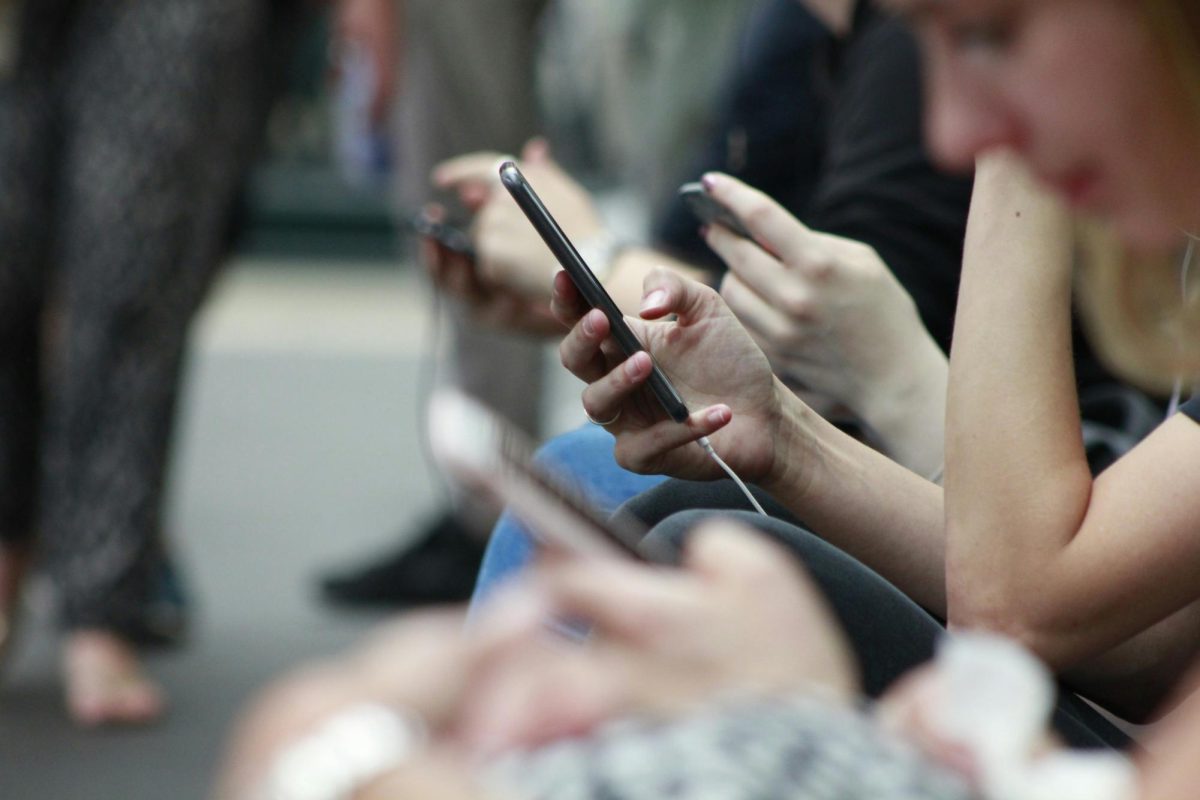
A report from digital strategy consultancy DataReportal suggests that 5.66 billion social media users — nearly 94% of the world’s internet users — are active on social media each month. This immense reach is reshaping not only how we connect with each other, but also how we see ourselves.
With a majority of the world consistently engaging with social media, users are often presented with a false sense of reality. Many individuals tend to share the fun or memorable positive moments of their lives while disregarding documentation of embarrassing, painful or otherwise negative moments.
There is a reason for this: Who would want to share upsetting and vulnerable experiences when they can post about exciting ones instead? As we scroll for hours, we are constantly presented with carefully edited photos, videos and captions. It becomes easy to get lost in the idea that everything we see is genuine and authentic.
That perception can lead users to compare themselves and their lives with others, wondering why their world does not look the same. Some may begin to think they need to change who they are to match a narrative someone else presents online.
A 2025 article by scholars Nor Fariza Mohd Nor, Nayab Iqbal and Azianura Hani Shaari, published by the National Library of Medicine, indicates the prominence of this worrying trend.
“Excessive social media use has become a growing concern due to its potential to affect self-perception, particularly through lowered self-esteem and a heightened fear of negative evaluation,” the authors said.
Instead of using personal social media accounts for their original purpose, many people hesitate to post because of the pressure to appear as though their lives are perfectly put together, with no visible problems. When they do post, they may find themselves waiting for likes and comments, seeking validation they may not consciously realize they want.
There are ways to decrease the likelihood of believing — and comparing ourselves to — the false narratives we see online:
- Be mindful of who you follow. There is a difference between looking up to someone and dwelling on the fact that your life does not look like theirs. Having role models and people you strive to resemble is acceptable to a certain extent, as long as it does not leave you in a constant state of comparison.
- Turn off like counts or comments. Many social media platforms offer features that allow users to disable like counts and comments on their posts. Doing so can help reduce the urge to compare engagement numbers or focus on opinions that may not be constructive.
- Limit your time on social media. Too much time spent on any activity can have negative effects, and social media is no exception. Setting time limits on your phone can help ensure you use platforms for a designated amount of time each day.
- Post what you want to post. At the end of the day, it is your account. No one should dictate how you represent your life. Whether you want to share videos from a recent vacation or a photo with friends, do not let fear of judgment determine what you choose to post.
By recognizing that much of what we see online is carefully curated to appear perfect, we can begin to move away from harmful comparison and worries about being judged for content that is not flawless.