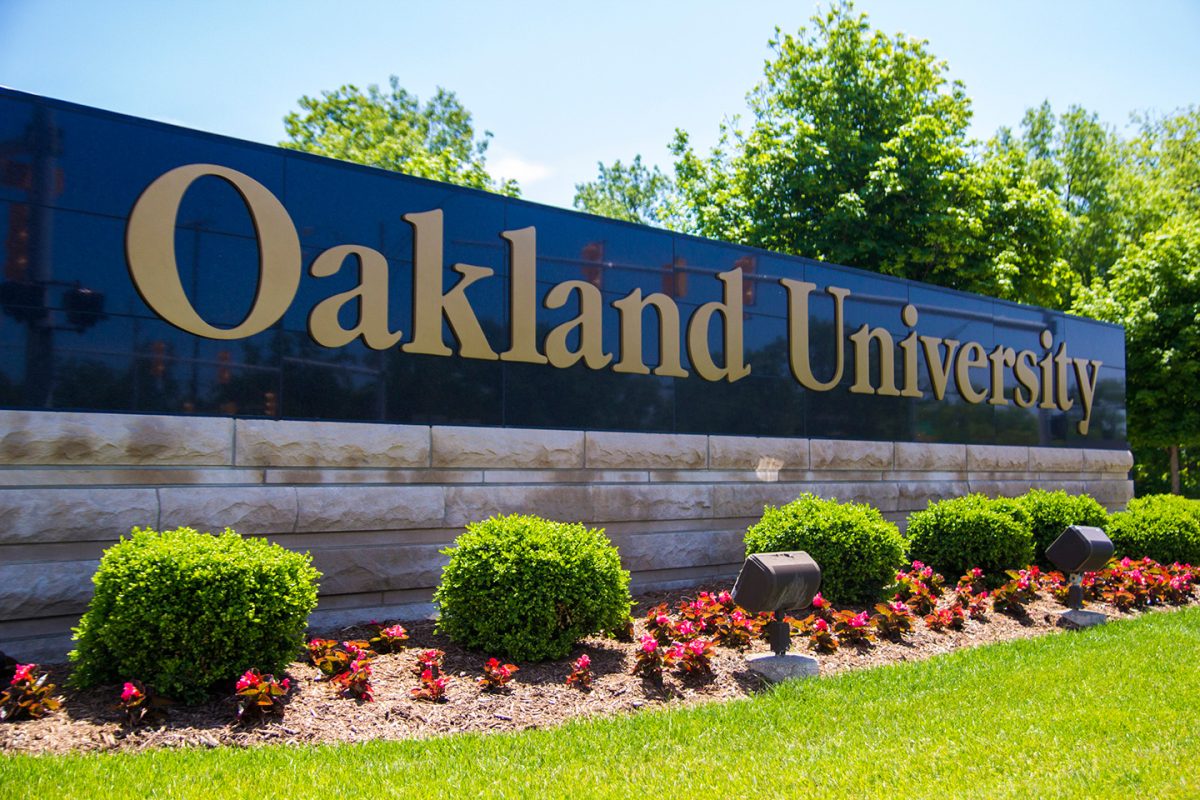
At Oakland University, February typically means midterms and brutal winter weather.
But for freshman Hung Tieu, who goes by Brian, February marks the beginning of something just as meaningful: Lunar New Year.
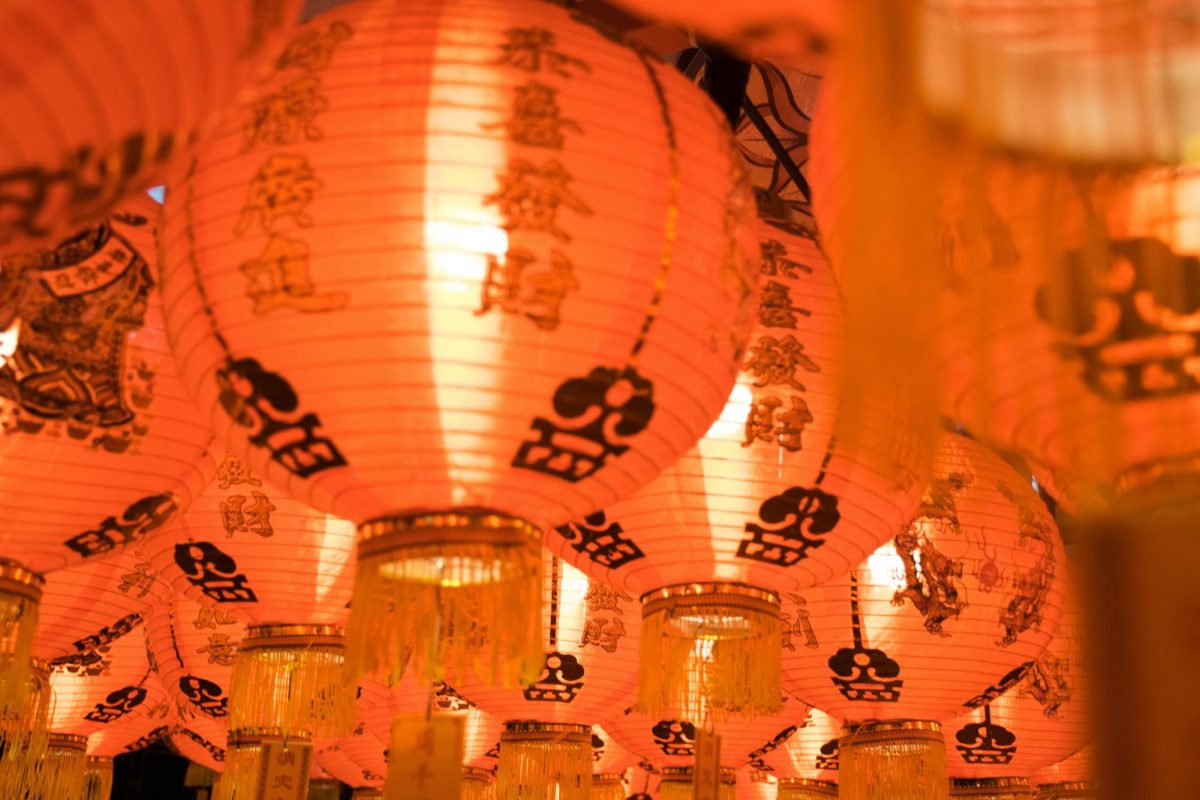
While the holiday may appear more quietly in America, seen in red lanterns strung up, themed video game outfits or subtle decorations, it does not always sit at the center of the cultural consciousness.
On Feb. 17, 2026, the Lunar New Year began, ushering in a time of reflection and family gatherings for millions across Asia and the global diaspora.
For Brian Tieu, who is half Chinese and half Vietnamese and grew up in Ho Chi Minh City, Vietnam, the holiday has always held special significance.
“To my family, it’s like three or four weeks of celebrating,” Brian said. “The week leading up to it, we clean the house, decorate, prepare meals and bond with each other.”
As a child, he did not always appreciate those preparations.
“When I was younger, I hated cleaning the house,” he said. “My mom would tell me to come down and do all the chores. But now as an adult, I really miss those times.”
Traditionally, the holiday begins just before midnight, as families clean their homes in the days leading up to the New Year to sweep away bad luck while avoiding cleaning on the day itself so they don’t “wash away” incoming fortune. Some also believe that certain colors and words should be avoided, that nothing should be torn or broken, and that even small actions, like arguing or using negative language, can set the tone for the year ahead.
At exactly midnight on Lunar New Year’s Eve, Brian said his family would gather to exchange blessings and wishes for the year ahead.
“At 12 a.m., we sit together and wish each other blessings or desires for the next year,” he said.
The celebration continues the following day with visits to relatives’ homes, where family members exchange greetings and good fortune.
One of Brian’s favorite traditions is the giving of red envelopes, small red packets filled with money meant to bring luck and ward off misfortune.
“People believe giving money on the first day of the new year can cancel out bad luck,” he said. “Mostly the kids get them.”
When asked whether the tradition ends at a certain age, Brian smiled and said, “I think you can receive red envelopes until you settle down.”
Although the traditions remain meaningful, Brian’s celebrations have changed somewhat since moving to the United States.
He has been in the U.S. for three years, spending his first two in Iowa before coming to Oakland University.
During those earlier years, he said, he celebrated quietly, often alone in his dormitory. This year, his family gathered in California while he remained on campus for school.
“Unfortunately, I have school, and I don’t have a break during Lunar New Year week,” he said. “My family went back to California to celebrate.”
“Before I came to the U.S., I would help my mom with cleaning, help my dad with decorating, just hang out and have fun with my family,” Brian said.
Despite the distance, Lunar New Year remains deeply personal for him. Beyond decorations or red envelopes, the holiday represents renewal.
“Lunar New Year to me is like a new start,” he said. “You put everything from the past away and try to thrive in the next year. Try not to have regrets and appreciate the time with your family and your loved ones.”
While Lunar New Year may not be as visible on Oakland’s campus as other holidays, Brian believes its message extends beyond cultural boundaries.
“Since it’s Lunar New Year, I want to wish everybody a Happy New Year,” he said. “I hope you achieve everything you want in life. Even if you don’t like something now, you’ll find a reason to like it eventually. Find peace in the things you love.”
For Brian, the new year may have started far from home, but its meaning traveled with him.