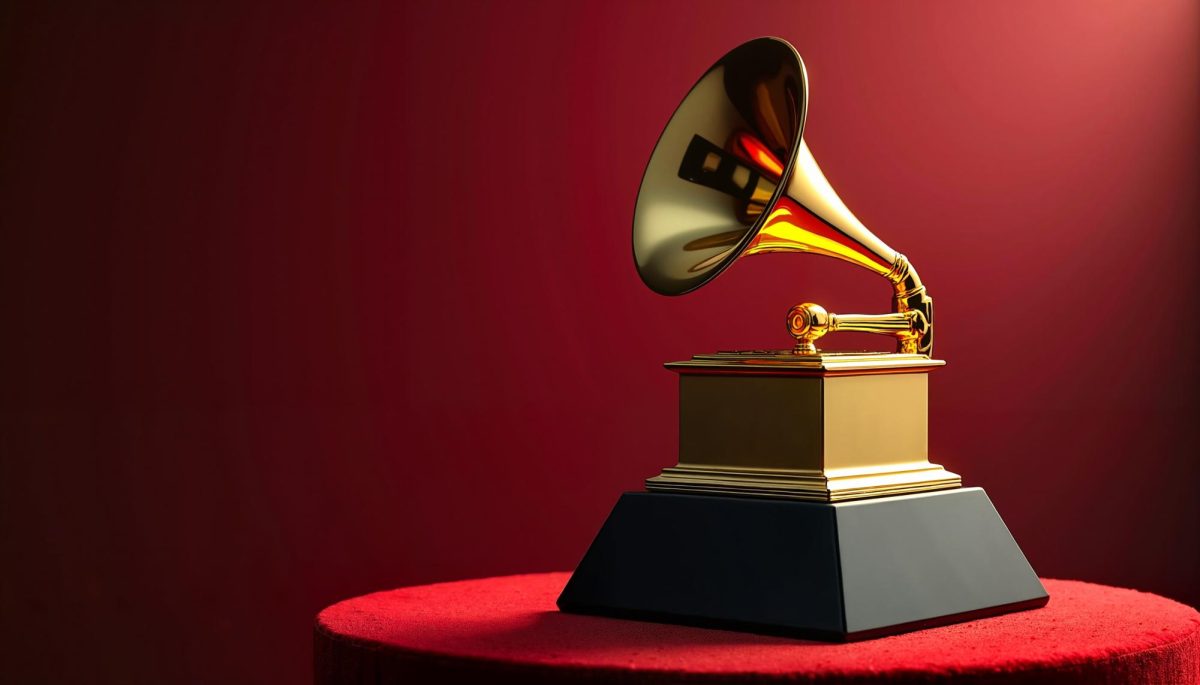
The Grammy Awards are designed to celebrate musical excellence. In recent years, however — particularly during the 2026 ceremony — the stage has increasingly doubled as a platform for political expression, prompting debate over whether award shows should remain entertainment-focused or embrace activism.
Acceptance speeches, once largely reserved for gratitude and acknowledgments, have gradually evolved into moments of unscripted cultural commentary, amplified by live broadcasts and instant social media circulation.
At the 68th Annual Grammy Awards, Billie Eilish won Song of the Year for “Wildflower” and used her acceptance speech to deliver a pointed political message.
“No one is illegal on stolen land… I feel really hopeful in this room… and f— ICE,” Eilish said.
Her comments immediately sparked backlash from political figures and commentators. Reactions unfolded in real time across digital platforms, illustrating how hot-button moments now quickly extend far beyond the ceremony itself. Sen. Mike Lee, R–Utah, responded to Eilish on X.
“Any White person who does a public ‘stolen land’ acknowledgment should immediately give his or her land to Native Americans … Otherwise, they don’t mean it.”
The exchange illustrates how quickly award-show commentary can shift into national political discourse.
Political messaging at the Grammys is not new. Artists such as Kendrick Lamar and Beyoncé have used the platform in past years to address issues ranging from systemic racism to reproductive rights.
What has changed, analysts suggest, is the frequency and bluntness of such statements, reflecting broader societal shifts toward open political alignment. Cultural analysts note, however, that the tone of recent ceremonies has become more direct and less coded.
Brandon Owens, an Oakland University senior majoring in journalism and media studies, expressed a positive reaction to the platform’s use by celebrities.
“I think it is truly important for award shows like the Grammys to continue to have this space to speak out on political views,” Owens said. “Music artists’ communities are under attack, and it is important that influential people speak up.”
Owens said the volume of political commentary this year surprised him.
“I was shocked with the amount of people who spoke up and made political statements, and I was pleased the Grammys gave that platform,” he said.
Still, he acknowledged that backlash is inevitable.
“The public backlash is bound to happen because they have such a huge platform and they’re using it to speak out against the higher-ups and the government,” Owens said.
Media scholars argue that celebrity activism reflects broader cultural polarization. For younger audiences, entertainers often occupy a hybrid role as both cultural figures and informal opinion leaders.
As public trust in institutions fluctuates, these entertainers often become alternative voices in national conversations concerning governmental policy.
Whether audiences view political statements at award shows as courageous advocacy or misplaced commentary depends largely on perspective. What is clear is that the Grammy stage is no longer confined strictly to music.
As artists continue to merge performance with political expression, the question remains: whether the Grammys are evolving alongside culture or redefining what the awards represent altogether.