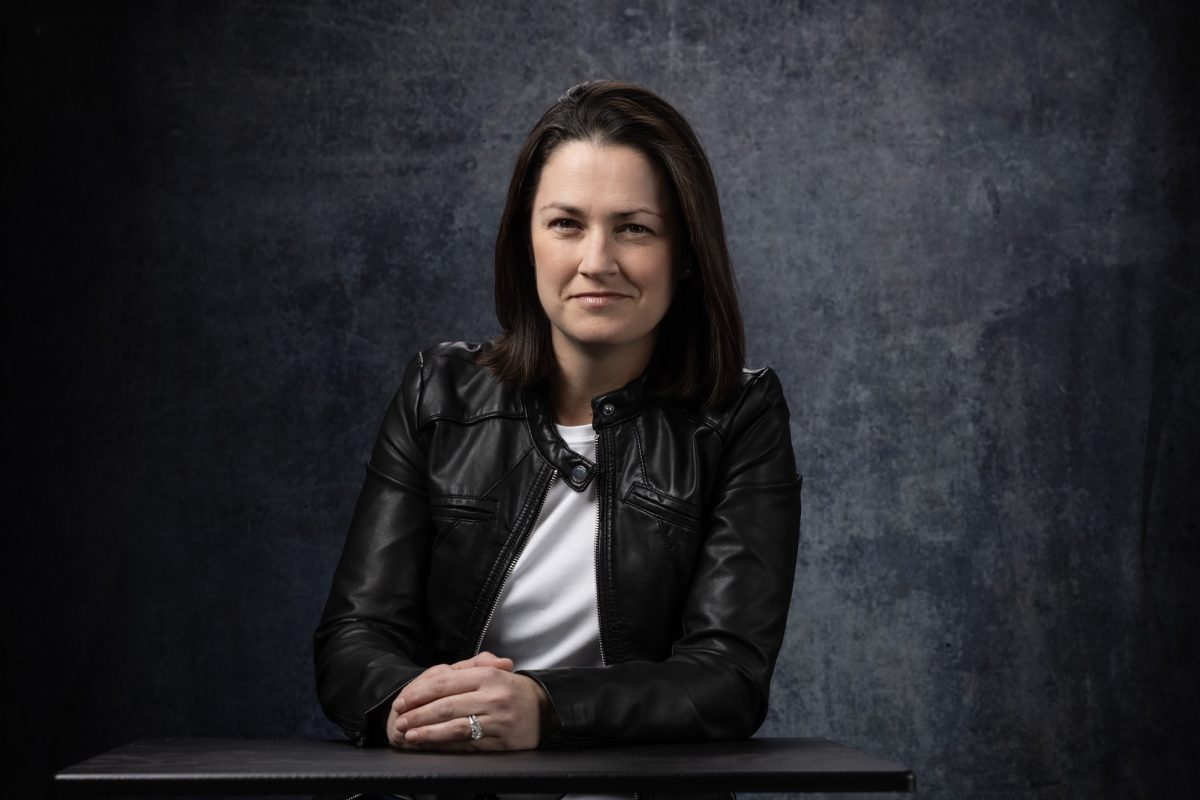
Claire St. Amant has built a career rooted in investigative reporting, long-form storytelling and ethical responsibility. From local newspapers to national television, St. Amant has reported on complex true crime cases across the country.
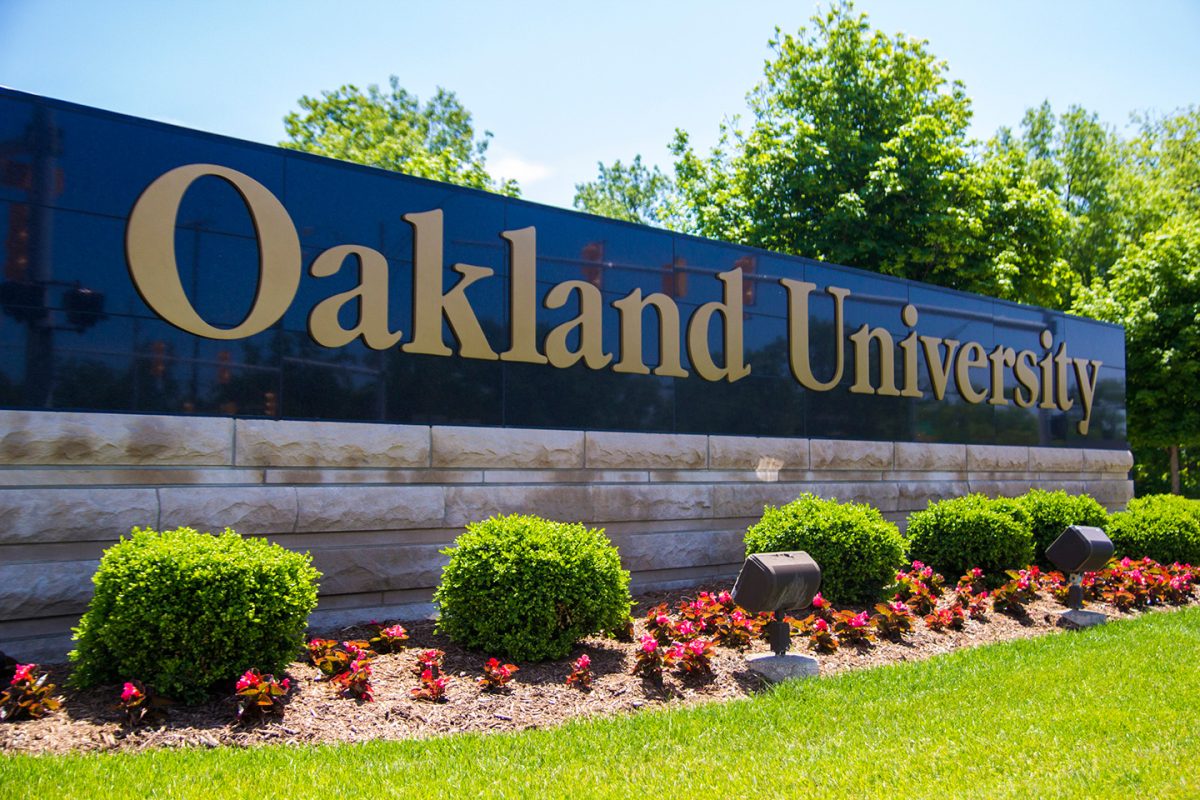
St. Amant was a key speaker at Professional Panel of Communication Practitioners From Across the U.S., a communications career workshop presented by the Faculty Advisory Board for Lambda Pi Eta — the honor society of the National Communication Association — on Friday, Jan. 30. The event brought media professionals together to discuss career paths and communication practices with Oakland University students.
Following the panel, St. Amant participated in a one-on-one interview focused on true crime reporting, emotional preparedness and ethics in journalism.
St. Amant’s interest in journalism developed at a young age while growing up in Houston, where newspapers were part of daily life.
“I have always been a storyteller from a young age,” she said. “When I was a kid, we had the Houston Chronicle delivered to our doorstep every day, and I loved the idea that your job could be to tell stories.”
True crime was not an intentional career goal. Her focus emerged gradually through reporting experience.
“I had no idea that I would end up working in true crime,” St. Amant said. “It just unfolded story by story, and one thing led to the next.”
Covering violent crime required emotional growth and professional awareness, and for St. Amant, these early experiences revealed the true psychological demands of the beat.
“I was not emotionally prepared to cover true crime.” she said. “I didn’t realize how emotionally taxing it would be or how different it would be from covering other kinds of stories.”
Reporting on active investigations also raised safety concerns that shaped field practices.
“There were situations where I was alone with suspected killers who hadn’t been apprehended yet,” she said. “Looking back, there were times that probably weren’t the safest.”
St. Amant later transitioned to national television as a field producer for CBS’s prime-time true crime television series “48 Hours.” St. Amant indicated that in this working environment, the competitive culture of network true crime reporting became much more clearly apparent.
“It’s a blood sport,” St. Amant said. “If it were a big case, all the shows were there, and these are extremely competitive people.”
This environment is examined in St. Amant’s 2025 memoir, “Killer Story: The Truth Behind True Crime Television.” The book dives deeper into newsroom competition, access journalism and the emotional toll of the investigative journalism industry.
St. Amant also hosts the podcast “Final Days on Earth.” The podcast functions in a seasonal format, granting St. Amant the necessary timeframe to conduct an extensive analysis of a single case across each season.
“The podcast allows me to go into these stories so much deeper than a television show can,” St. Amant said. “I was able to look at one case for an entire season and explore details that would never fit into a television timeline.”
For students interested in challenging beats, practice and persistence remain essential qualities. St. Amant indicated that college newsrooms function as training environments where skills develop through experience.
“Use your student newspaper as a learning lab.” she said. “There’s no substitute for doing the work.”