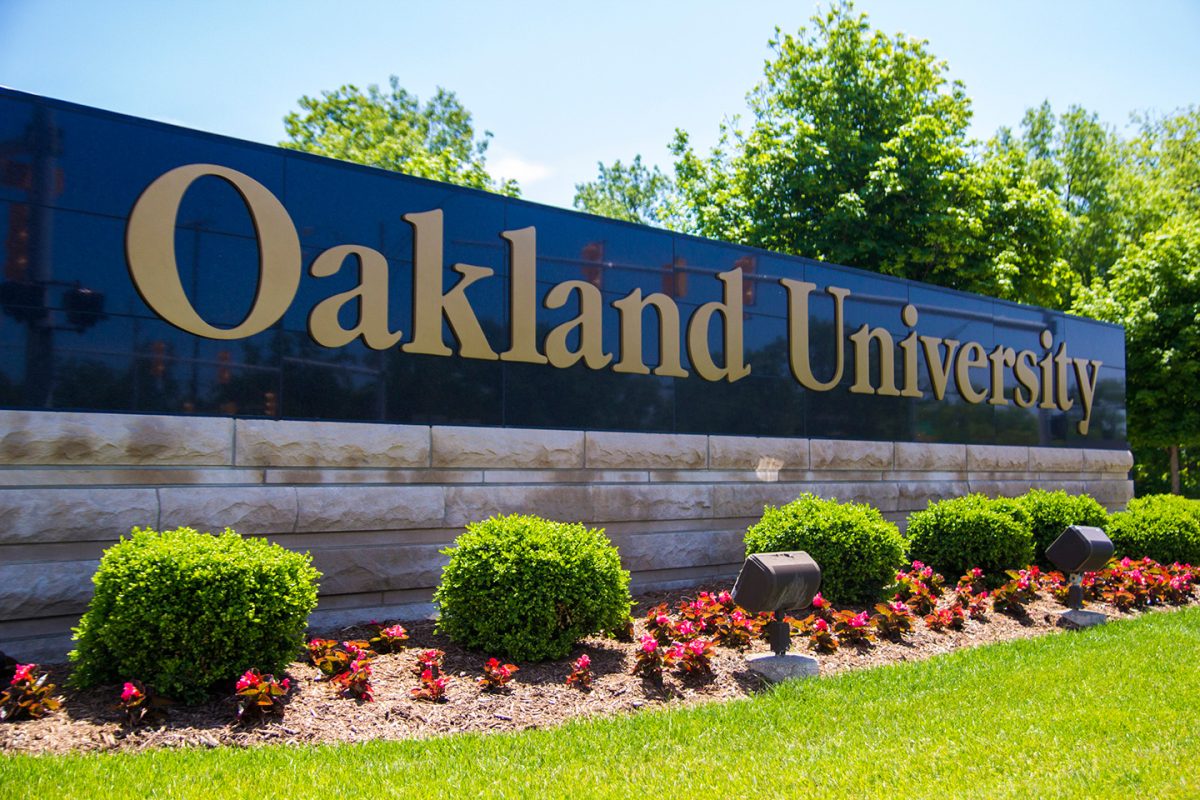
On paper, Michigan’s college campuses are expanding mental health services. In reality, student mental health challenges continue to rise, yet many students do not use the counseling and support resources available to them. Universities like Oakland University offer free mental health services, but experts warn that awareness gaps, accessibility issues, and stigma often prevent students from seeking help, allowing a quiet crisis to persist statewide.
National data underscores these concerns. The UCLA Healthy Minds Study finds that college students across the U.S. report rising levels of anxiety, depression, and emotional distress, often linked to academic and financial pressures as well as social adjustment. Similarly, the National Alliance on Mental Illness (NAMI) reports that student utilization of campus mental health resources has not kept pace with growing need, citing stigma, limited awareness, and uncertainty about access. Data from the Kaiser Family Foundation (KFF) shows that young adults aged 18–24 experience some of the highest rates of mental health distress nationwide, reinforcing concerns that existing systems may not fully reach the students who need support.
At Oakland University, students can access Counseling & Psychological Services (CAPS), which offers short-term individual counseling, group therapy, crisis intervention, and telehealth options. Despite these resources, awareness and usage remain inconsistent.
To better understand student engagement, The Oakland Post surveyed 12 current and former OU students. All were aware that mental health counseling is available; only four reported ever using CAPS. When asked how often they encountered information about mental health resources, most said “rarely” or “occasionally,” while a few said they had “never” seen any messaging. Common reasons for not using CAPS included uncertainty about how to access services or a limited understanding of what support was available.
This lack of clarity was echoed in student interviews. Natalie Kafara, an OU senior and creative writing major, said her understanding of CAPS was limited. “I’m aware of some services we provide. I believe I was told when I first started here that you get like three or so sessions with a counselor, and I know we have the therapy dogs that come in around exams. But other than that, I don’t know what services we provide.”
David Schwartz, director of CAPS, said misconceptions like these are common. CAPS provides four free counseling sessions per academic year, with up to 15 sessions available per degree program. “One of our main focuses is working with students on a wide range of issues … from test anxiety to psychotic episodes or bipolar disorder,” Schwartz said. “Confidentiality is strictly protected, and counseling does not automatically lead to hospitalization.”
“We try to remove as many barriers as possible, finances should never prevent a student from getting help.” Schwartz said. After the four free sessions, students can continue counseling with a $20 copay. Schwartz noted that financial support is available to ensure cost is never an obstacle, highlighting a donation from Student Congress that helped maintain this fund.
Mental health advocates say these challenges extend beyond one campus. Active Minds Michigan, a nonprofit promoting student mental health awareness, notes that students often hesitate to seek help not because services are unavailable, but because they do not fully understand what seeking help involves.
As universities continue investing in student wellness, experts say visibility and trust are just as critical as availability.