Winter is a drag. This winter, in particular, has been unrelentingly cruel.
Michigan winters in recent years have differed from historical trends. Rather than the epic blizzards of the 1970s which so many baby boomers still reference, Michigan from the late 2010s onward has faced an Eastern European–style mud season with occasional dramatic snow events. This year cannot be characterized that way.
“The lady who does my nails says that she thinks this crazy snow is being made by the government,” Sam Sobah, a master’s student studying psychology at Oakland University, said. “That if you put a torch to it burns black and ashy.”
The systemic pressures can be felt everywhere. Michigan schools are running out of allotted snow days, forcing students, staff and faculty into potentially life-threatening scenarios amidst the season’s uncharacteristically dire weather.
At the moment of writing, McMurdo Sound in Antarctica is warmer than metro Detroit.
It is not just schoolchildren who are faced with the tempest. Over 100 vehicles were caught in a massive pileup near Grand Rapids earlier this month. The image is Lovecraftian: hundreds of tons of icy steel fused under the diamond-dust cover of a vengeful Midwestern snowstorm, caring not for the souls trapped inside its freezing, bent tendrils.
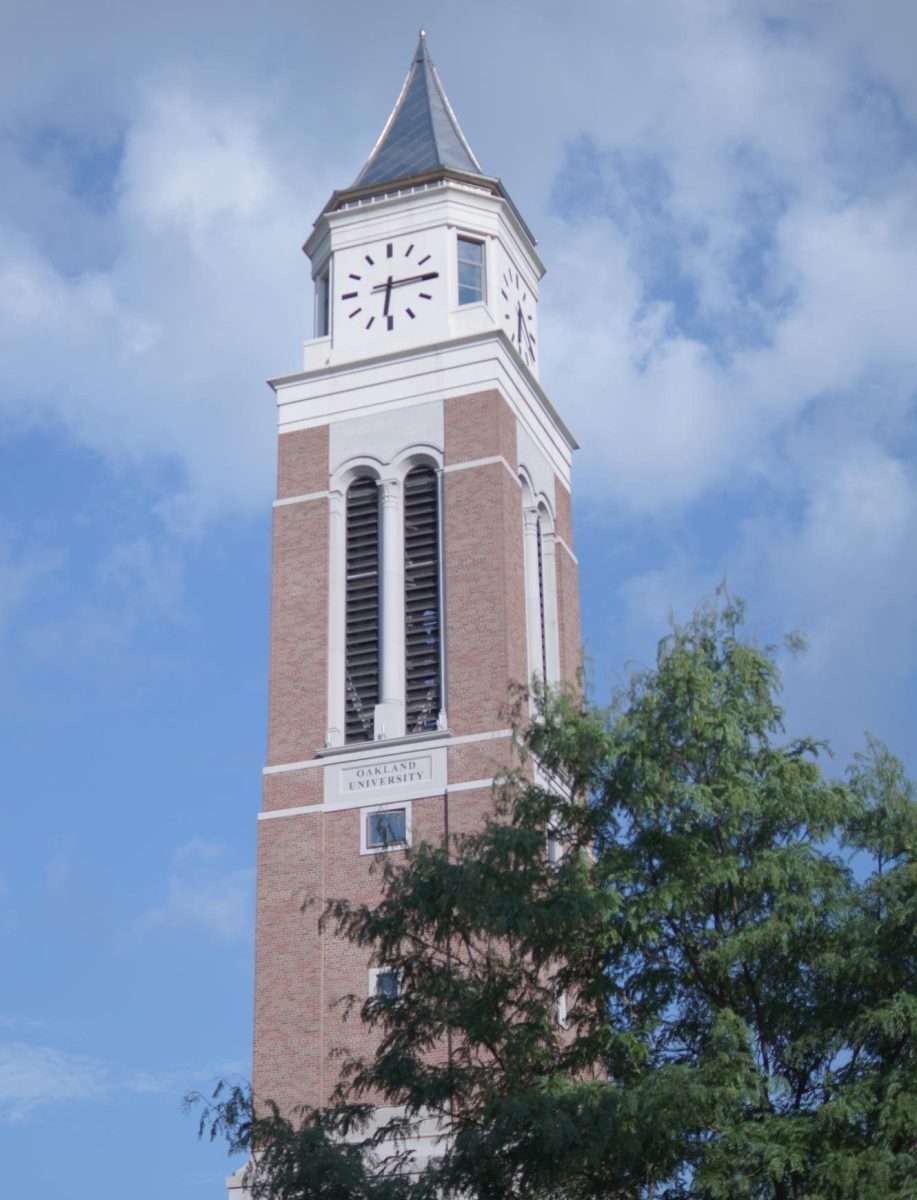
Oakland University, meanwhile, has wrestled with this winter in its own right. The campus has been forced to shut down more frequently than preferred, struggled with communication regarding last-minute closures, and recently experienced a facility-wide heating failure that could have been exacerbated by recent months’ encroaching permafrost.
Dormitory parking lots have faced emergency closures, with towing and fines issued to anyone too afraid to face the cold.
Travel concerns and school policy are not the only aspects of Michigan life to be railroaded by the winter weather. Seasonal Affective Disorder (SAD) is characterized by depressive symptoms that emerge in response to a seasonal reduced sunlight. It is a misconception that SAD is a winter-only condition — some people are affected in the summer. However, winter onset is far more typical, and it responds effectively to light treatment.
But this is not some mass onset of SAD. The uneasiness people are feeling does not respond to light treatment.
It is the fear that grips you when you see your breath during a lecture, or when the windshield wiper fluid freezes before it can wash away the salt.
“I cannot tell the difference between this and a Canadian winter,” Vincent Stabile, a Canadian graduate student at OU, said.
The Winter of 2025–26 will be remembered for running up the scoreboard on an unprepared populace: people who lost their fur gloves in 2018 and could not replace them; souls who forgot how to tie a scarf knot, coughing like Tiny Tim; and the minor stock-market heroes moving Walmart’s windshield scraper sales.
Here at OU, students — the icy blood coursing through the campus — dash from building to building to outrun the ferocious polar bear that is frostbite. In 30 years, today’s Gen Z students will repeat the same speeches about walking uphill in the snow both ways.
That generational trauma will all be this cruel season’s fault.