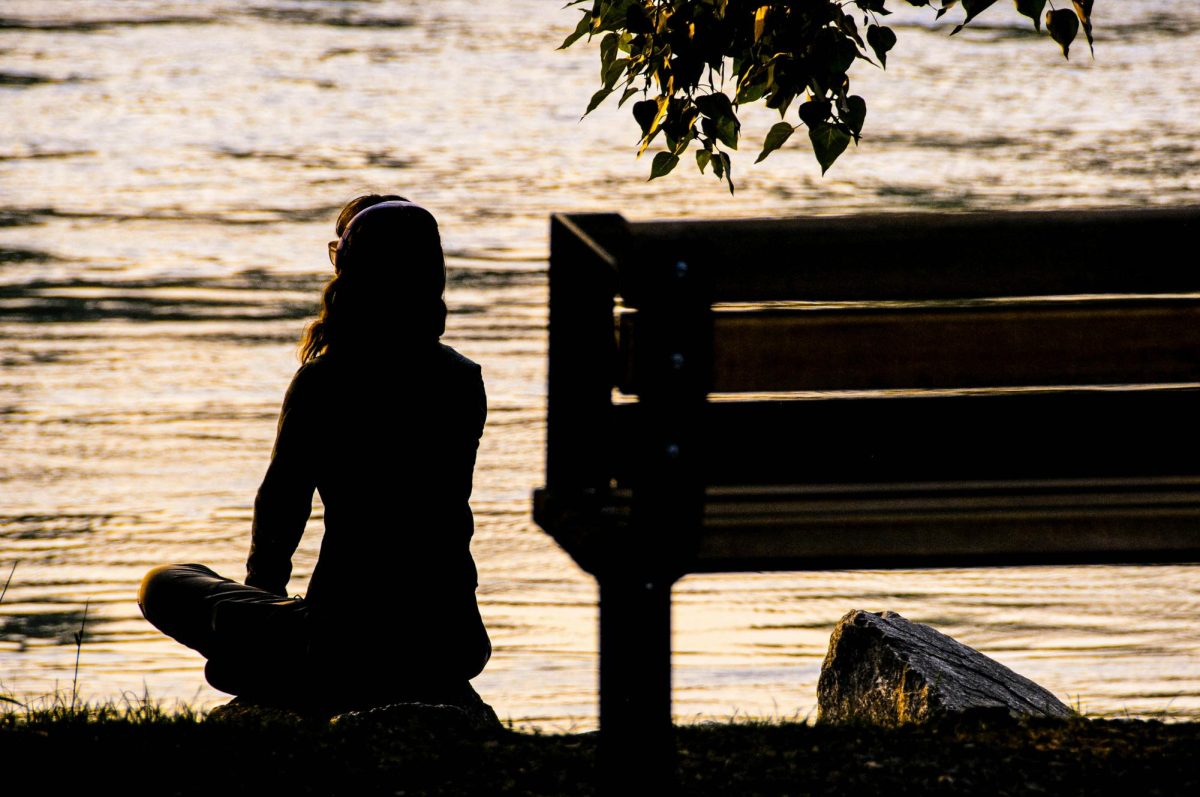
Solitude is defined as the quality or state of being alone or remote from society. Many people immediately associate the word with loneliness, often linked to sadness.
But being alone does not have to mean feeling lonely. Loneliness is an emotion that can arise whether you are alone in your room or at a concert surrounded by thousands of people. There is a distinct joy in doing things for yourself and by yourself, creating a sense of self-reliance that can be beneficial in many ways.
For instance, some people use solitude to develop creative pursuits, such as writing, painting, or composing music. Others may spend their time in nature, hiking or simply sitting in a quiet park, noticing details that often go overlooked in daily life.
Even mundane tasks, like cooking a meal or organizing a room, can become meditative and deeply satisfying when done alone. These moments allow for reflection, growth, and an increased awareness of your priorities and personal values.
In a 2024 podcast episode from the American Psychological Association, researchers indicated the average U.S. adult spends up to one-third of their waking hours alone.
“What we’re doing in those moments, how we’re thinking, how we’re dealing with our emotions, all of those things are going to shape the solitude experience,” psychologist Netta Weinstein said.
Finding joy in your alone time can help you create healthier and more meaningful relationships. The peace you cultivate within yourself adds to the happiness you experience with others.
Solitude also encourages mindfulness, a practice that can reduce stress and improve mental clarity. By stepping away from constant social interactions and digital distractions, individuals can reconnect with their inner thoughts and emotions.
Mindfulness in solitude allows you to notice patterns in your thinking, recognize sources of tension, and appreciate small moments of joy that might otherwise be missed. Over time, this practice can increase resilience and provide a foundation for coping with challenges more effectively.
A 2023 article from the University of Reading indicated the utility of deliberate solitude in working toward the promotion of greater general wellbeing.
“Choosing solitude and using it intentionally for its benefits may be key to balancing solitude amid the demands of modern life,” the article said.
Solitude allows you to form a friendship with yourself, independent of other connections. Spending time alone helps you understand who you are on a deeper level, without the influence of others’ voices or opinions. Silence during this time does not have to be frightening; instead, it can be an opportunity to focus on your thoughts.
It is a time for self-reflection, where you can examine your past without dwelling on it and consider what you want for your future. You become familiar with your abilities, helping you set reasonable goals you can pursue while alone.
Being alone also frees you from concern over others’ judgments, which often hold us back. Try a hobby you’ve always wanted to explore, visit a new coffee shop, or simply embrace being by yourself.
The peace of solitude comes when you recognize that you do not need to be with others to feel happiness. True contentment comes from within. Being alone with your thoughts does not make you lonely; it makes you confident and comfortable in your own company.