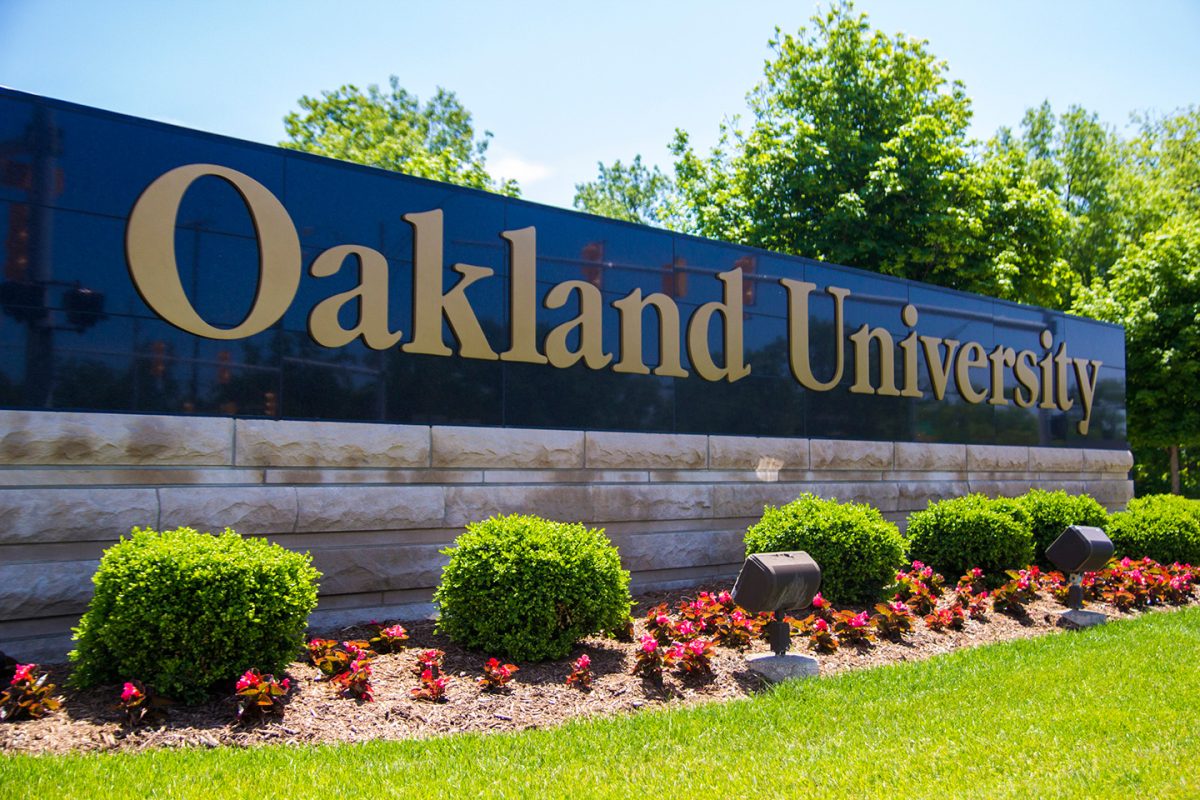
With 22 buildings across campus closed on Dec. 1, student workers found themselves with a wide range of feelings and work situations resulting from the ongoing High Temperature Hot Water System (HTHWS) repairs.
On Nov. 29, Campus Communications informed all Oakland University members that 22 buildings would be closed. Residence Halls, classroom buildings, Kresge Library and the Rec Well among these, impacting hundreds of student employees.
With Hamlin Hall, Vandenberg Hall and Van Wagoner Hall closed for the remainder of the semester, one of the first student workers directly impacted by the new HTHWS leak were Resident Assistants (RAs).
“Since Nov 21, I have not had to be on duty, work the service desk, or start any housing closing procedures,” Lexie Cousineau, an RA at Hamlin Hall, said. “I was not able to be relocated due to me living in a closer range to campus.”
Left with questions regarding the timeliness of the HTHWS repairs, Cousineau could not host closing events for her floor residents, perform closing health and safety inspections or help students with their check-out procedures.
“Thankfully, as an RA I still earn my bi-weekly stipend and I can still hold other meetings online with my position in CMI, but I am unable to work other on-campus jobs due to the closure, making my paycheck much smaller since I am not able to work more hours,” Cousineau said. “This makes my situation about earning money before the holidays a lot more stressful.”
Luis Sanchez, a student working as a catering assistant in the Oakland Center, shared the concerns over his finances as his job practically halted alongside the heating systems.
“Due to the pipes’ problem, I haven’t been able to work at all, so I stopped receiving any kind of income from my work,” Sanchez said. “Makes me in some way anxious because I was counting on those scheduled hours.”
A resident of Hillcrest Hall, he didn’t have to move out like Cousineau. However, he also encountered stress with reduced dining options and last-minute roommates.
“The short dining options [have] made me move away from campus. I feel they should compensate us in some way,” Sanchez said. “Housing just sent me an email saying that they were introducing more people in the dorm and that was it.”
As of Monday, Dec. 1, the Golden Grizzlies Pantry remained open for students facing food insecurity, pantry manager Charlie Dimock said.
“Thankfully, our student staff is so supportive, and a lot of them live on campus, so it makes it easier for us to maintain the hours that we were already at,” Dimock said. “So I’ve had to take some time out of my day that I wouldn’t have had to to adjust our hours, like on our social media, which isn’t a huge deal, just because, as you have seen, like foot traffic is kind of down today, and we don’t have as many people coming into the pantry right now.”
With heating equipment installed by the entrances to the Oakland Center — like many other buildings across campus — and heating units placed inside its hallways, the pantry continued operations even though doors were to remain locked according to a campus communication email sent on Dec. 1 at 3 p.m.
“I’m really appreciative of our higher-ups and how communicative they’ve been with us during this uncertain time, because if we didn’t have that communication, then we wouldn’t know what we were doing,” Savannah Lopez, student assistant at the pantry, said. “We would be scrambling and so thankful you’ve got Jean and right on our or right by us on our side.”
One of the main sources of communication between student workers at the OC and the administration was Senior Director of the Office for Student Involvement, Jean Ann Miller. She explained that streamlining communication in an efficient manner and student safety have been the top priorities of the administration.
“I was there all weekend long, on the phone with students, with my peers, administrators, all just trying to come up with the game plan that is the best for the students, because we have the students ‘ heart, mind and soul and spirit in mind,” Miller said.
Managing over 105 student employees, Miller expressed concern for repercussions on personal finances and housing situations for a lot of students. At the same time, she focused her energy on offering resources for students to navigate the untimely challenges.
“Student employment was allowing for remote work, so we’re complying in that respect,” Miller said. “I did ask the question up at the Dean of Students Office, they do have an emergency relief fund. I was given the information that to apply for that, they just need to contact financial aid in terms of eligibility.”
Cancelling food orders, room reservations and postponing events became routine in the basement of the OC, where the OSI continued operations at the beginning of the week. As other departments may deal with more abrupt closings, the Rec Well slowed down rather silently, ending most of the regular operations for the rest of the semester.
“The rec is essentially completely closed until next semester, at least in my department so I will be out of work, at the rec at least, until then,” Izabella Stanczak, wellness ambassador said. “I feel the partial campus closure has helped significantly in offering more time to catch up on homework. I do not like not being able to work though, but it is more like a well needed forced break.”
Nonetheless, many student employees remained optimistic, even humorous, about the sudden silence at OU.
“It’s not really that much different at all, except that it’s like Jaden said, it’s quieter, it’s more calm here, and we get closer parking spots,” Nicholas Rushaj, a tutor at the Engineering Centre, said as the work day wrapped up during the last week of classes of the Fall 2025 semester.