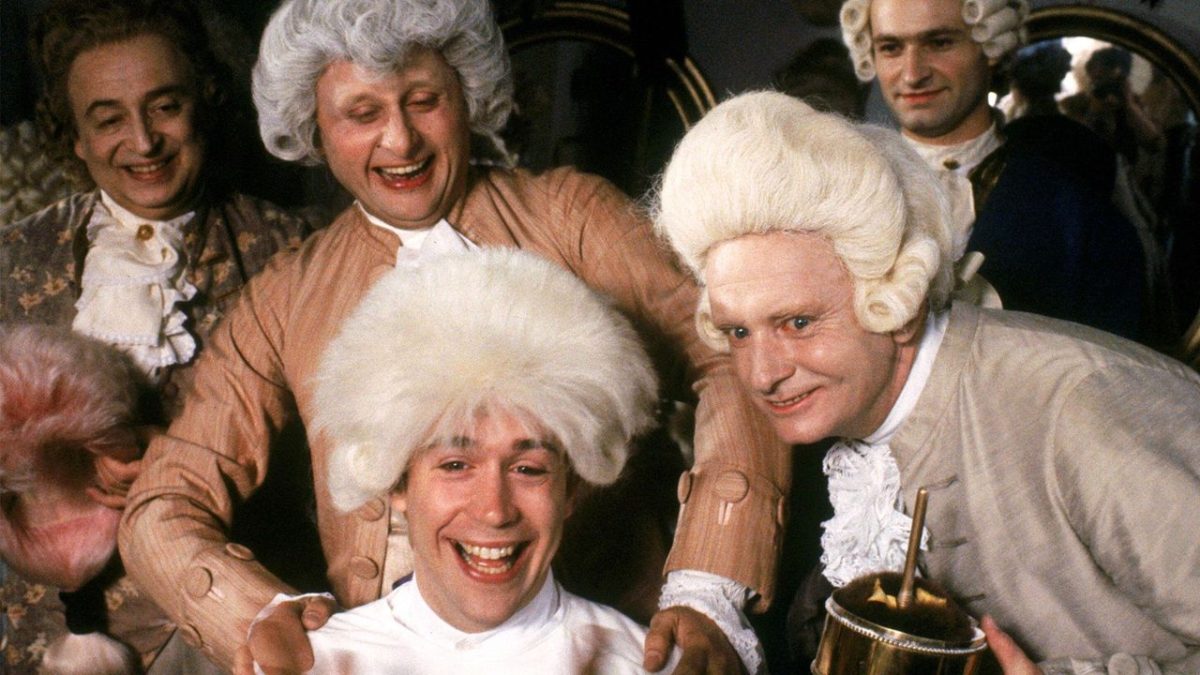
Wondering what life may have been like in the past or for famous historical figures is a common pastime for many individuals and storytellers. Through research and inspiration, thousands of films have been made over the years to give viewers that glimpse of the past they crave. Some are tales of royalty or adventure, and some are less grand, simply detailing the day-to-day. The following collection of period films are guaranteed to quench that historical curiosity without requiring an expensive time machine.
“Little Women” (2019)
Greta Gerwig’s “Little Women,” adapted from Lousia May Alcott’s 1868 novel of the same name, follows the four March sisters as they come of age in an America recently ravaged by the Civil War. The film seamlessly weaves between past and present, exploring themes of sisterhood, love and the societal expectations of women.
The sisters follow their individual dreams: Meg’s longing for domestic stability, Jo’s fierce independence and literary aspirations, Beth’s quiet kindness and Amy’s artistic ambition and desire for refinement. Their lives shift irrevocably when they befriend Theodore Lawrence, the charming boy next door whose bond with the family reshapes all of their lives. Gerwig skillfully balances warmth and sentiment, grounding the story in timeless emotional authenticity.
The ensemble cast including Meryl Streep, Timothée Chalamet, Emma Watson, Saoirse Ronan, Mia Goth and Florence Pugh deliver thoughtful, nuanced performances that breathe new life into this classic story and tug on viewers’ heartstrings.
“Elizabeth” (1998)
Society is forever fascinated with the lore and scandalous ambition of the Tudor family, especially with that of Queen Elizabeth I, the last of the lineage. Starring Cate Blanchett as the red-haired royal, “Elizabeth” tells the infamous story of the beloved queen’s reign during what history would deem the “Golden Age”.
The young Princess Elizabeth was not immediately revered, but rather scorned for being an outspoken and unmarried Protestant woman. The expository film showcases the power struggle that ensued upon her succession to the throne and the dicey dynamics of the royal court. Never left alone, Elizabeth must learn who she can trust amongst the nobility. With a star-studded cast, the story flows through the effects of ambition, romance, and betrayal. The drama feels authentic as Elizabeth overcomes her enemies to become the most powerful woman in Tudor England.
Blanchett’s performance was incredible and nuanced, performing a convincing portrayal of a real person from history. Queen Elizabeth I was a force of nature, but many modern portrayals depict her as nearly inhuman, and often unsettling. The mature monarch likely did instill fear and obedience in her people, but this film captures the growth of Elizabeth as she masters the art of leading a nation.
“Ever After” (1998)
Set in 16th century France, “Ever After” offers a refreshingly grounded retelling of the classic Cinderella story. The story follows Danielle de Barbarac, an intelligent and spirited orphan forced into servitude for her step-family after the death of her father. A chance encounter with Prince Henry leads Danielle to adopt the guise of a noblewoman, sparking a romance built on wit and curiosity.
Unlike traditional Cinderella adaptations, “Ever After” forgoes magic and fairy godmothers for topics such as class division, poverty and the Renaissance influences that shape Danielle’s world. The inclusion of real historical characters such as Leonardo da Vinci and the Grimm Brothers add credibility, positioning the film as historical fiction.
Drew Barrymore brings warmth and vivacity to Danielle, while the acclaimed Anjelica Huston’s portrayal of Danielle’s stepmother gives the character layers and depth. Breathtaking French scenery, lush costuming and grounded storytelling makes this one of the most thoughtful Cinderella stories.
“Newsies” (1992)
During the last summer of the nineteenth century thousands of literal children working to sell newspapers on the dingy streets of New York City stood together to face down corporate greed and to demand fair compensation. Never before had a group of children harnessed the power of numbers and fairness to protect the rights of the working class. “Newsies” is a musical retelling based on the real children of the newsboy strike of 1899.
Directed by Kenny Ortega and with music by Alan Menken, two Disney production legends, “Newsies” was destined to be a hit. Fans continue to belt out classics like “Seize the Day” and “Once and For All”. It took twenty years, but fans of this catchy musical romp were eventually rewarded with a Broadway adaptation in 2012.
The film stars a young Christian Bale alongside actors David Moscow, Luke Edwards and Bill Pullman. They sing and dance in powerful numbers, displaying grit and determination to make things right. The story proves that anyone can band together to make a real difference regardless of class, age, size or ability. All one has to do is seize the day.
“Gladiator” (2000)
Ridley Scott’s “Gladiator” is a sweeping historical epic that traces the brutal, tragic journey of Maximus, a respected Roman general betrayed by the corrupt heir to the throne. When Emperor Marcus Aurelius names Maximus the heir to his throne, the emperor’s son, Commodus, murders his father in a jealous rage and orders Maximus executed. Escaping death but losing his family, Maximus is sold into slavery and becomes a gladiator. Forced to fight for his survival, Maximus quietly plots his quest for vengeance.
Russell Crowe delivers a powerful, commanding performance as Maximus, capturing the character’s grief and resilience so well he earned an Academy Award for Best Actor. Joaqin Phoenix’s chilling characterization of Commodus is the perfect counterpoint, balancing the character’s fragility with cunning and manipulativeness.
The film blends visceral action with themes of justice and honor, underscored by a stunning soundtrack from Hans Zimmer. “Gladiator” defines the genre of modern epic, grand in scale but deeply human at its core.
“Amadeus” (1984)
Every choir teacher’s favorite sick day activity, “Amadeus” is all about the one and only Wolfgang Amadeus Mozart through the eyes of self-proclaimed rival, Antonio Salieri. While the film takes certain liberties that diverge from the truth, especially in regard to the relationship between Mozart and Salieri, the film beautifully illustrates the mental struggle that accompanies being a child prodigy.
The film takes place primarily between 1781-1791, the final decade of Mozart’s short and turbulent life. The composer is immature yet completely dedicated to his craft. Salieri views Mozart’s personality as woefully undeserving and his success as a threat to his own career. This jealousy amongst peers taints the relationship between two talented performers of musical genius.
Both actors, F. Murray Abraham as Salieri and Tom Hulce as Mozart, portray their respective characters phenomenally. The chemistry between the opposing geniuses feels authentic and tense. Viewers are never left guessing how the characters feel except when a scene is meant to leave room for interpretation.