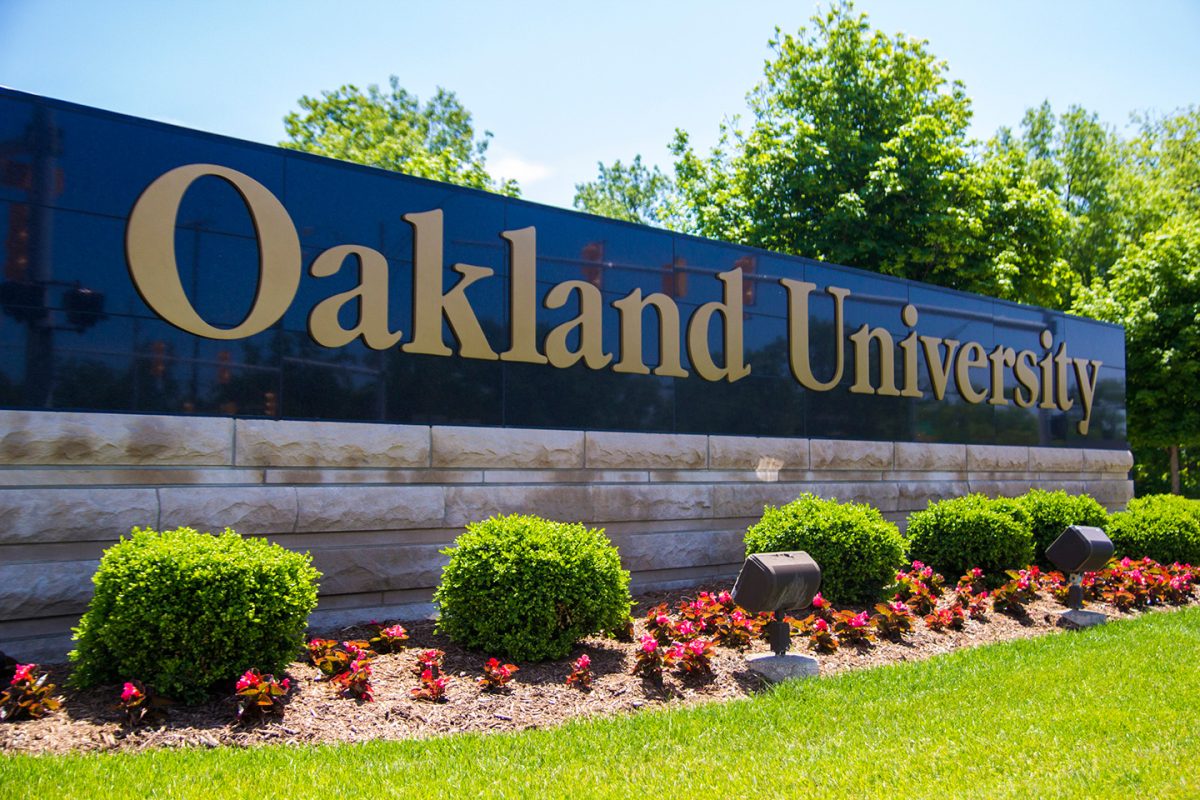
For many students, realizing their sexual and romantic orientations differ from the norm can feel like a liberating, but also isolating experience. Finding a space where their identity is understood and they have access to resources for safe exploration can make all the difference. At Oakland University, the asexual and aromantic community is working to create that space—one conversation at a time.
Through initiatives like monthly Community Nights hosted by the Gender and Sexuality Center (GSC), students are finding connection and visibility in ways they never imagined before.
“Before going to college I didn’t know anyone else who was aromantic. And now I have a community night to spend with people like me — it’s insane that we exist,” Sydney/Silas, a member of the Gender and Sexuality Alliance, said.
Asexuality and aromanticism are often misunderstood identities and aren’t given as much attention as other identities in the LGBTQIA+ community, making it difficult for students to find reliable resources unless they know where to look.
According to “What Is Asexuality,” a companion site to the “Asexuality Archive,” which offers resources for those exploring these identities, defines asexuality as “a sexual orientation characterized by a persistent lack of sexual attraction to any gender,” while aromanticism is “a romantic orientation characterized by a persistent lack of romantic attraction toward any gender.”
Both exist on spectrums, meaning experiences can vary widely. On one end are allosexual individuals — those who experience typical levels of sexual attraction. On the other end are those who identify as apothisexual, meaning they are completely repulsed by sex and lack any libido. Many asexual people fall somewhere in between, and experiences can shift over time. Aromantic identities work similarly. Sydney explains why this nuance matters.
“It. Is. A. Spectrum. I’ve identified as [aromantic asexual] for three and a half years now and a few months ago, I got a boyfriend. Almost everyone I told was confused. Please, it’s a spectrum. And it’s not like I have the manual [for] how my attraction works,” Sydney said.
Community Nights play a huge part in providing students a safe place to explore and meet people like them; they aren’t just social gatherings — they’re a way to foster understanding and create safe spaces. Each month, the GSC hosts events for different orientations, including the Asexual and Aromantic Community Night. These nights give students a chance to connect, share experiences and feel seen.
These initiatives spark conversations about representation and inclusion on campus. They show that visibility isn’t just about showing up — it’s about building community and challenging misconceptions.
For Oakland’s asexual and aromantic community, visibility isn’t just about one night — it’s about creating lasting change. Students and staff continue to advocate for representation, education and understanding.
Finding others who share your identity can be life-changing, as Sydney’s experience shows. Initiatives like Community Night reflect that inclusion starts with listening to voices that have long gone unheard. Students hope these efforts will lead to more education and understanding across campus.
The next Asexual and Aromantic Community Night will take place on Nov. 19 at North Foundation Hall in Room 104J, hosted by the Gender and Sexuality Center.